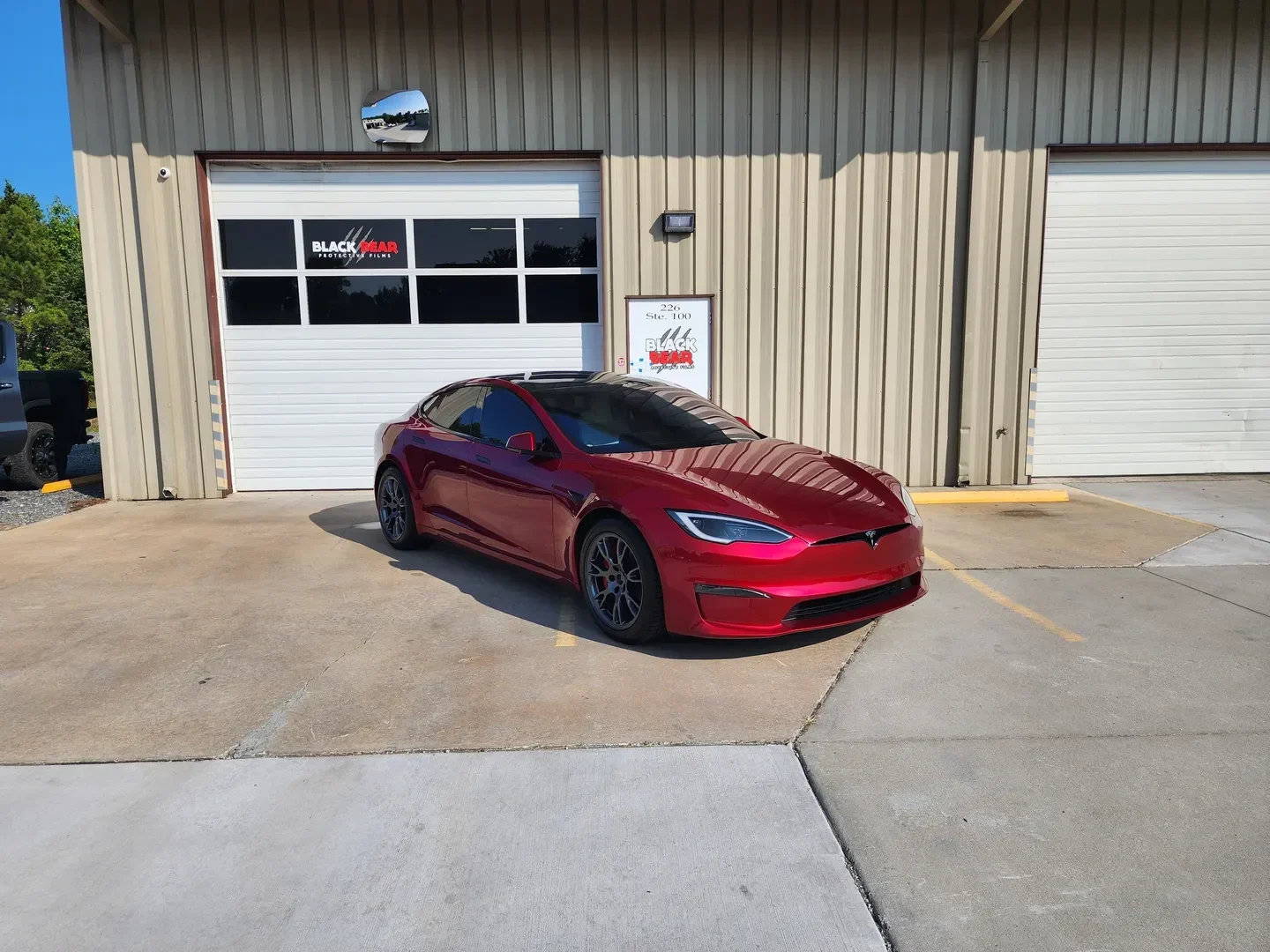
Waxhaw, North Carolina’s climate creates perfect conditions for accelerated paint degradation that most vehicle owners don’t recognize until damage becomes visible. The combination of intense summer sun, high humidity levels, and temperature fluctuations causes paint fading and oxidation that progressively destroys your vehicle’s finish over months and years. What starts as subtle color dulling eventually progresses to chalky surfaces, clear coat failure, and permanent damage requiring expensive repainting to restore. Most drivers assume regular washing provides adequate protection, but without proper barriers against UV radiation and environmental factors, your paint steadily deteriorates regardless of cleaning frequency.
Professional protection technologies create defensive barriers that prevent degradation mechanisms from reaching vulnerable paint surfaces. Auto window tinting shields interiors while also reducing overall heat load that contributes to exterior damage, but comprehensive paint preservation requires additional layers specifically engineered to block UV rays and prevent oxidation chemistry from occurring. Specialists at Black Bear Protective Films work extensively with Waxhaw vehicle owners, delivering trusted auto protection shop in Waxhaw, NC to prevent premature aging and maintain vehicle value under identical driving conditions.
Understanding Paint Degradation in Waxhaw’s Climate
Waxhaw’s humid subtropical climate delivers environmental conditions particularly harsh on automotive finishes. Summer temperatures regularly exceed 90 degrees Fahrenheit with humidity levels often above 70 percent, creating an environment where UV radiation, heat, and moisture combine to accelerate paint breakdown. Winter brings milder temperatures but continued moisture exposure that prevents paint from ever fully drying, maintaining conditions favorable for ongoing degradation processes.
The cumulative exposure matters more than individual severe weather events. Daily UV bombardment gradually breaks down chemical bonds in paint and clear coat, while persistent humidity facilitates oxidation reactions that couldn’t occur in drier climates. Understanding these specific local factors helps explain why vehicles in Waxhaw require more aggressive protection strategies than those in less demanding environments.
UV Radiation and Its Effects on Vehicle Paint
Ultraviolet radiation from sunlight represents the primary cause of paint fading in Waxhaw vehicles. UV rays penetrate clear coat layers and interact with color pigments in base paint, breaking molecular bonds that give paint its color. This photodegradation happens progressively, with cumulative exposure gradually lightening and dulling original colors. Red, black, and dark blue paints show fading most dramatically, though all colors suffer UV damage over time.
The intensity of UV exposure in Waxhaw during summer months creates particularly aggressive conditions. UV index values regularly reach very high to extreme levels, meaning unprotected surfaces receive damaging radiation capable of causing noticeable degradation within just a few years. Clear coat also suffers UV damage, developing a hazy appearance as its chemical structure breaks down, eventually leading to delamination where the protective layer peels away from underlying paint.
How Humidity Accelerates Oxidation
Moisture in the air facilitates oxidation reactions that couldn’t occur in dry environments. Water vapor provides the medium through which oxygen reaches paint surfaces and reacts with materials, creating the chalky, degraded appearance characteristic of oxidized paint. Waxhaw’s persistent humidity means paint surfaces remain exposed to moisture-rich air that enables continuous oxidation progression.
The combination of heat and humidity proves particularly destructive. Elevated temperatures accelerate chemical reaction rates, meaning oxidation occurs faster during humid summer months than it would at lower temperatures. This seasonal acceleration explains why vehicles in Waxhaw show more rapid aging compared to those in cooler or drier climates, even when receiving similar UV exposure.
The Science Behind Paint Fading
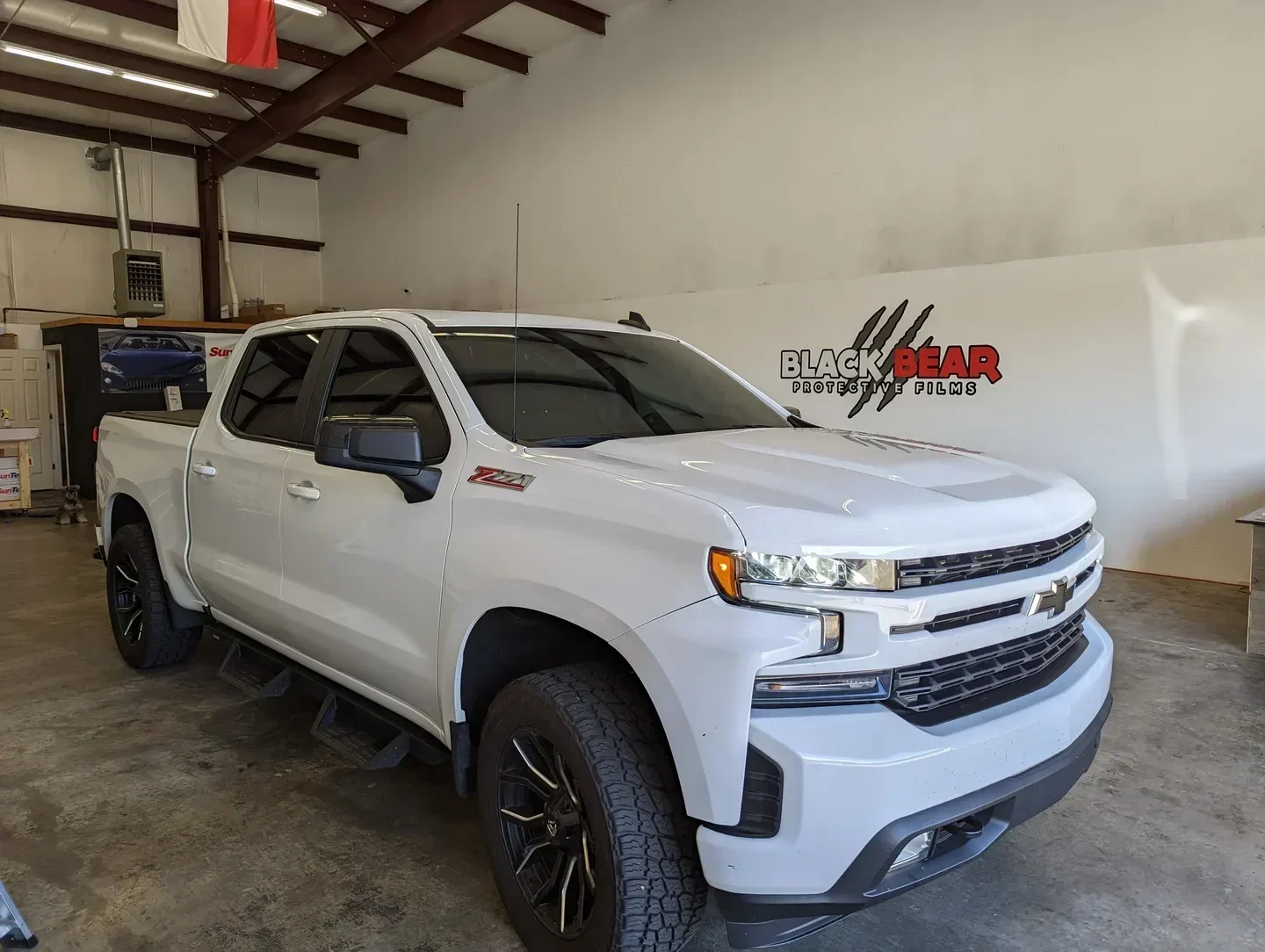
Paint fading occurs through photodegradation where UV radiation breaks chemical bonds in pigment molecules. These pigments give paint its color through selective light absorption and reflection. When UV rays damage pigment molecules, they lose their ability to properly absorb and reflect light wavelengths, causing the color shift we perceive as fading. The process is irreversible; once pigments degrade, no amount of polishing or treatment can restore original color.
Different pigment types show varying UV stability. Organic pigments used in many automotive paints are particularly susceptible to UV breakdown, while inorganic pigments demonstrate better stability. This explains why certain colors fade more rapidly than others under identical exposure conditions. Although the paint industry has improved UV stability over decades, even modern finishes require protection to maintain their appearance in high-UV environments like Waxhaw. Educational resources from professionals specializing in auto protection in Waxhaw, NC explain these chemical processes and how protective barriers interrupt paint degradation pathways.
Clear Coat Breakdown and Color Loss
Modern automotive paint systems rely on clear coat layers to protect colored base coats from environmental damage. This transparent layer provides gloss, depth, and a protective barrier against UV rays, contaminants, and minor abrasions. However, clear coat itself suffers UV degradation, gradually losing transparency and developing a milky or yellowed appearance as its polymer structure breaks down.
As clear coat degrades, it loses effectiveness at protecting underlying color coats. UV radiation begins reaching base paint directly, accelerating color fading. The compromised clear coat also becomes more permeable to moisture and contaminants, allowing oxidation to attack base paint layers. This cascading failure explains why paint degradation accelerates once it begins, making early protection crucial for preventing the cycle from starting.
Environmental Contaminants That Dull Finishes
Airborne pollutants including industrial fallout, pollen, and road chemicals settle on paint surfaces and contribute to dulling and degradation. Many contaminants contain acidic compounds that etch clear coat, creating microscopic surface roughness that scatters light and reduces gloss. Tree sap, bird droppings, and bug splatter contain acids that begin chemically reacting with paint within hours, causing permanent etching if not promptly removed.
These contaminants work synergistically with UV exposure to accelerate degradation. UV-weakened clear coat becomes more vulnerable to chemical attack, while contaminant etching increases surface area exposed to UV radiation. The combination proves more destructive than either factor alone, explaining why vehicles in areas with both high UV exposure and environmental contamination show particularly rapid deterioration. Professionals at Black Bear Protective Films understand these interaction effects and recommend protection strategies that address multiple degradation pathways simultaneously.
Oxidation: The Silent Paint Killer
Oxidation represents one of the most insidious forms of paint damage because it progresses gradually and remains invisible in early stages. The chemical process involves oxygen molecules reacting with paint materials, breaking down binders that hold pigments together and form the paint film. Early oxidation creates subtle dulling as microscopic surface degradation begins, progressing to visible chalking where degraded material accumulates on the surface as powdery residue.
Advanced oxidation causes clear coat failure where the protective layer loses adhesion and begins flaking away from base paint. Once oxidation reaches this stage, the damage is irreversible without professional paint correction or repainting. The humid climate in Waxhaw accelerates oxidation rates compared to drier regions, making protection against this specific degradation mechanism particularly important for local vehicles.
How Oxygen Reacts with Paint Surfaces
Paint oxidation occurs through chemical reactions between oxygen and the organic compounds in paint binders and clear coat. These reactions break polymer chains that give paint its structural integrity and protective properties. The process requires presence of oxygen, moisture, and often UV radiation that provides energy to initiate and sustain reactions. Waxhaw’s climate provides all these elements abundantly.
The reaction rates increase with temperature, meaning oxidation proceeds faster during hot summer months. This seasonal acceleration explains why oxidation damage accumulates more rapidly on vehicles experiencing multiple summer seasons compared to newer vehicles with limited exposure. Once initiated, oxidation becomes self-sustaining, with degraded areas showing increased permeability that allows deeper oxygen penetration and accelerated damage progression.
Recognizing Early Signs of Oxidation
Initial oxidation manifests as subtle loss of gloss and depth in paint appearance. The finish looks slightly duller and less reflective than when new, though casual observers might not notice the change. Running your hand over affected areas often reveals slight roughness as degraded material begins accumulating on the surface. Colors appear less vibrant and saturated as pigment binding deteriorates.
As oxidation progresses, chalking becomes visible as white or colored powder that transfers to your hand when you touch the paint. This powder consists of degraded paint materials where binder breakdown has released pigment particles. At this stage, significant damage has occurred, though professional correction can still restore appearance. Services offered through Auto Protection Services help vehicle owners understand degradation stages and appropriate intervention points for their specific situations.
Paint Protection Film as a UV Barrier
Paint protection film provides perhaps the most comprehensive defense against both fading and oxidation by creating a physical barrier between environmental factors and paint surfaces. Quality films contain UV inhibitors that absorb or reflect ultraviolet radiation before it reaches vulnerable paint layers. This UV blocking essentially eliminates photodegradation, preserving paint color and clear coat integrity indefinitely on protected areas.
The film’s physical barrier also prevents oxygen and moisture from contacting paint surfaces, interrupting the oxidation process entirely. Contaminants contact the film rather than paint, preventing chemical etching and the surface degradation that facilitates accelerated fading and oxidation. The combined protection against multiple degradation mechanisms makes PPF the gold standard for preservation in demanding climates like Waxhaw’s.
Blocking Harmful Rays Before They Reach Paint
Premium paint protection films block 99 percent or more of UV radiation, functioning like sunscreen rated SPF 1000+ for your paint. The UV inhibitors in quality films remain stable for years, maintaining their protective effectiveness throughout the film’s service life. This consistent UV blocking prevents the cumulative photodegradation that causes fading, keeping protected paint looking as vibrant as the day it was applied.
The thickness of paint protection film also contributes to UV protection. At 6 to 8 mils thick, quality films provide substantial material through which UV rays must pass, with inhibitors throughout the thickness absorbing radiation at multiple depths. This multi-layer protection ensures comprehensive UV blocking that thin coatings cannot match, explaining why PPF-protected areas maintain color better than those with only coating protection.
Ceramic Coatings and Oxidation Prevention
Ceramic coatings prevent oxidation through different mechanisms than paint protection film. While they don’t provide the physical barrier thickness of PPF, ceramic coatings create chemically inert, non-porous surfaces that resist oxidation reactions. The silicon dioxide or silicon carbide materials used in these coatings don’t oxidize under automotive conditions, and their dense molecular structure prevents oxygen and moisture from penetrating to reach underlying clear coat and paint.
The hydrophobic properties of ceramic coatings also contribute to oxidation prevention by causing water to bead and run off rather than spreading across surfaces. This characteristic reduces moisture contact time, limiting opportunities for water to facilitate oxidation reactions. Combined with chemical resistance that prevents contaminant bonding, ceramic coatings create conditions unfavorable for oxidation progression. Facilities offering Auto Protection in Waxhaw, NC typically provide ceramic coating options specifically formulated for local climate challenges.
Creating Chemical-Resistant Surfaces
The hardness and chemical inertness of cured ceramic coatings prevent environmental contaminants from etching or bonding to paint surfaces. Acidic substances like bird droppings or tree sap that would normally etch unprotected clear coat simply sit on the ceramic surface without reacting chemically. This resistance prevents the surface damage that accelerates fading and oxidation by increasing exposed surface area and creating pathways for deeper UV and oxygen penetration.
Ceramic coatings also resist the organic staining that can permanently discolor paint. Pollen, road tar, and other sticky contaminants wash away easily from ceramic-coated surfaces rather than bonding permanently as they do with unprotected paint. This contamination resistance keeps surfaces cleaner between washes, reducing the cumulative exposure to substances that contribute to degradation over time.
Maintaining Clear Coat Integrity
By preventing chemical etching, UV damage, and contamination bonding, ceramic coatings help maintain clear coat in its original condition. The clear coat remains smooth, transparent, and fully protective rather than becoming roughened, hazed, or compromised by environmental attack. This preserved clear coat continues protecting underlying color coats effectively, preventing the cascading failure that occurs when clear coat degrades and exposes base paint to direct environmental assault.
The preserved clear coat integrity directly translates to maintained color vibrancy and gloss. Paint underneath intact, healthy clear coat maintains its original appearance indefinitely because it remains protected from the UV radiation and oxidation that cause fading and chalking. This preservation explains why ceramic-coated vehicles maintain their appearance far longer than unprotected examples in identical conditions. Specialists at Black Bear Protective Films emphasize that ceramic coating effectiveness depends heavily on proper surface preparation and application technique, making professional installation crucial for achieving advertised protection levels.
Window Tinting’s Role in Interior Protection
While window tinting primarily protects vehicle interiors from UV damage and heat, it also contributes indirectly to exterior paint preservation. By blocking UV radiation through windows, tinting prevents heat buildup inside the vehicle that radiates back out through body panels. This reduced thermal load means exterior surfaces experience lower temperatures, slowing the temperature-dependent degradation processes that contribute to fading and oxidation.
Quality window films block up to 99 percent of UV radiation entering through glass, protecting interior materials from the same photodegradation that damages exterior paint. Dashboard surfaces, seats, and trim components maintain their appearance and structural integrity rather than fading and cracking under UV assault. The comprehensive protection creates more comfortable cabin environments while preserving overall vehicle condition and value.
Reducing Heat Buildup That Affects Paint
Excessive interior heat from solar gain through windows creates temperature differentials that stress paint systems. As interior temperatures rise, heat radiates outward through body panels, creating thermal cycling that accelerates degradation. Window tinting reduces this solar gain significantly, keeping interiors cooler and reducing the thermal stress on exterior finishes.
The reduced heat load also decreases climate control demands, allowing air conditioning systems to maintain comfortable temperatures with less energy consumption. For electric vehicles, this efficiency gain extends driving range. The cumulative benefits of window protection extend beyond simple interior preservation to affect overall vehicle performance and exterior condition. Resources available at an Auto Protection Shop Near Me in Waxhaw, NC help customers understand these interconnected protection benefits and how different technologies work together for comprehensive vehicle preservation.
Long-Term Benefits of Professional Protection
Professional auto protection delivers benefits that compound over years of ownership. Protected vehicles maintain their original appearance and condition far longer than unprotected examples, preserving the visual impact and pride of ownership that attracted you to the vehicle initially. The maintained condition also supports stronger resale values, with pristine exteriors commanding premium prices while faded, oxidized vehicles sell at discounts or struggle to attract buyers at all.
The economic benefits extend beyond resale value. Protected vehicles require less frequent detailing and maintenance to maintain acceptable appearance. The time and money saved on correction services, professional polishing, and eventual repainting often exceeds the initial protection investment. When viewed across entire ownership periods, professional protection proves more economical than attempting to maintain unprotected vehicles through repeated correction and restoration efforts. Advisors at Black Bear Protective Films help customers understand these long-term value propositions when evaluating protection options and investment levels.
Preserving Factory Finish Quality
Factory paint represents a substantial portion of new vehicle cost and delivers appearance characteristics difficult to match through aftermarket repainting. Factory application occurs in controlled environments with sophisticated equipment, proper curing processes, and quality control that body shops struggle to replicate. Preserving this factory finish through its entire service life maintains the vehicle’s original quality rather than accepting the compromises inevitable with even the best refinishing work.
Protected factory finishes maintain their depth, gloss, and color accuracy throughout vehicle ownership. The paint looks and performs as designed because it hasn’t suffered the degradation that affects unprotected surfaces. This preserved condition becomes increasingly valuable as vehicles age, with well-maintained examples showing condition that seems impossible for their age compared to typical wear patterns.
Maintenance Practices That Extend Protection
Even properly protected vehicles require appropriate maintenance to maximize protection technology lifespan and effectiveness. Regular washing removes contaminants before they can overwhelm protective barriers, while proper washing techniques prevent introducing new damage through improper cleaning methods. Using pH-neutral car wash solutions and soft microfiber materials protects both underlying paint and protective coatings or films from cleaning-induced wear.
Periodic inspections help identify any protection system issues early, allowing prompt attention before minor problems become major failures. Checking for edge lifting on paint protection film, verifying ceramic coating hydrophobic properties, and ensuring window tinting remains properly adhered maintains comprehensive protection effectiveness. Professional maintenance services offered through facilities like Black Bear Protective Films provide expert assessment and any needed remediation to keep protection systems performing optimally throughout their designed service lives.
Conclusion
Auto protection technologies prevent fading and oxidation in Waxhaw vehicles by creating barriers against UV radiation, environmental contaminants, and moisture that cause paint degradation. Paint protection film provides physical UV blocking and complete oxidation prevention, while ceramic coatings offer chemical resistance and surface properties that resist degradation mechanisms. Combined with proper window tinting and appropriate maintenance, these technologies preserve factory finishes indefinitely, maintaining appearance, value, and pride of ownership throughout vehicle life.
Learning more about the most effective auto protection options for nearby communities can help vehicle owners choose the right combination of solutions for long-term surface preservation.
Frequently Asked Questions
How quickly does paint fade without protection in Waxhaw’s climate?
Noticeable fading typically appears within 2 to 4 years on unprotected vehicles, particularly dark colors and red paints. Black vehicles often show clear coat hazing within 3 years as UV damage progresses.
Can protection reverse existing fading or oxidation?
No. Protection prevents further damage but doesn’t restore color or remove oxidation. Existing damage requires paint correction before applying protection to preserve the corrected condition and prevent additional degradation.
Does garage parking eliminate the need for paint protection?
Garage parking reduces UV exposure but doesn’t eliminate it completely. Vehicles still face UV exposure during driving and whenever parked outside. Protection remains valuable even for garage-kept vehicles driven regularly in Waxhaw conditions.
How long does professional paint protection last?
Quality paint protection film lasts 7 to 10 years, while ceramic coatings provide 2 to 5 years of protection. Both technologies maintain effectiveness throughout rated lifespans when properly applied and maintained with appropriate care.
Will protection prevent all paint aging?
Protection dramatically slows aging by eliminating major degradation pathways. Protected vehicles maintain excellent condition for 10-plus years, while unprotected examples show significant aging within 3 to 5 years in Waxhaw’s demanding climate conditions.