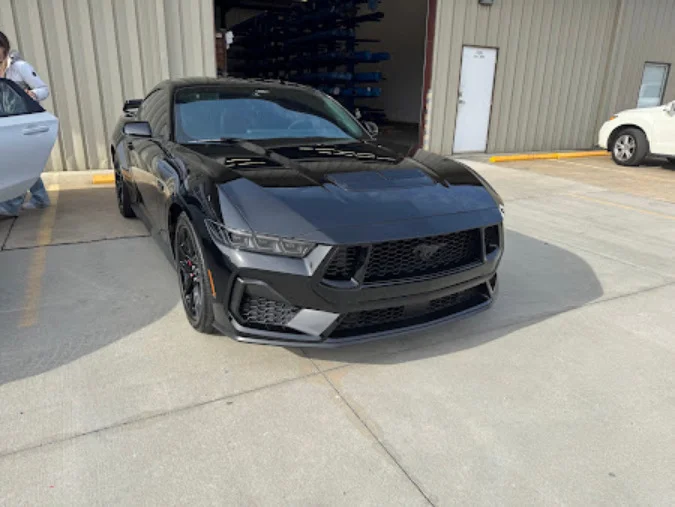
Understanding what you’ll pay for window tinting helps you budget appropriately and set realistic expectations for this valuable vehicle upgrade. The cost of window tinting in Indian Land, SC varies significantly based on multiple factors including film type, vehicle size, and the level of quality you’re seeking. Professional shops like Black Bear Protective Films offer different tinting options at various price points, ensuring solutions for different budgets and protection needs. Whether you’re looking for basic heat rejection or premium autobahn window tinting technology, knowing what influences pricing helps you make informed decisions.
This comprehensive guide breaks down everything affecting window tinting costs in the Indian Land area, from film types and vehicle considerations to legal requirements and long-term value.
Understanding Window Tinting Pricing Factors
Window tinting isn’t a one-size-fits-all service, and pricing reflects the customization required for each vehicle and customer preference. Multiple variables come into play when determining final costs.
Film Type and Quality Differences
The type of film you choose represents the single biggest factor affecting your total cost. Entry-level dyed films offer basic protection at lower price points, while premium ceramic films command higher prices due to superior technology and performance.
Dyed films are the most economical option, typically using multiple layers of dye to absorb heat and reduce glare. These films work well for budget-conscious customers wanting basic protection and privacy. However, they offer limited heat rejection compared to advanced options and may fade over time with prolonged sun exposure. Most dyed films last 3 to 5 years before showing signs of deterioration.
Carbon and metalized films sit in the mid-range pricing tier. These films incorporate carbon content or metal particles that reflect heat away from the vehicle, providing better performance than dyed options. Carbon films have become increasingly popular because they don’t interfere with electronic signals, making them ideal for vehicles with GPS, satellite radio, or cellular connectivity. These films typically last 5 to 7 years with proper care.
Ceramic films represent the premium tier. These advanced materials use ceramic particles to block heat and UV rays without any metal content. High-performance options like autobahn window tinting utilize ceramic technology for superior performance that stands up to intense sun exposure. While ceramic films cost more upfront, they deliver the best value over time through superior durability, often lasting 10 years or more with lifetime warranties.
Vehicle Size and Window Coverage
Your vehicle’s size directly impacts material requirements and labor time, both of which affect pricing. A compact sedan with standard windows requires less film and installation time than a large SUV with multiple rows of seating.
Two-door vehicles generally cost less to tint than four-door models because there are fewer windows to cover. SUVs and vans with multiple rear quarter windows or rear doors require more intricate cutting and installation work. Coverage choices also affect your final cost. Some customers opt for front windows only, which costs less than full vehicle coverage including rear windows and sunroofs.
Large rear windows on SUVs, vans, and trucks present unique challenges. These expansive glass surfaces require careful installation to avoid bubbles or creases, and they use significantly more film material. This complexity adds to the overall cost of car window tinting in Indian Land, SC.
Types of Window Tinting Films Available
Understanding the different film technologies helps you match your needs and budget to the right product. Each type offers distinct advantages and price points.
Dyed Window Film Options
Dyed window films create their tinting effect through layers of colored dye between adhesive and protective coatings. These films primarily absorb heat rather than reflecting it, providing basic temperature reduction and glare control.
The main advantage of dyed films is affordability. They offer the lowest entry point for window tinting, making them accessible for budget-conscious vehicle owners. They provide privacy, reduce glare, and offer some UV protection, though less than premium options. Appearance-wise, dyed films create a flat, non-reflective look that many people prefer aesthetically.
However, dyed films have limitations. They offer the least heat rejection of all film types, and the dye can fade over time, particularly in harsh sunlight. For Indian Land’s climate with hot summers and significant sun exposure, higher-quality films often prove more cost-effective long-term.
Carbon and Metalized Film Solutions
Carbon films have gained popularity as a mid-range option. They use carbon particles to achieve excellent heat rejection without signal interference concerns. Carbon films block infrared light effectively, keeping vehicle interiors cooler without affecting GPS, cell phones, or radio signals.
Metalized films incorporate tiny metallic particles that reflect heat and UV rays away from the vehicle, providing significantly better heat rejection than dyed options. The metallic content also makes these films more durable and resistant to fading.
Both carbon and metalized films represent a middle ground between economy and premium options, delivering solid performance at moderate prices. Many auto window tinting in Indian Land, SC customers find these films offer the best balance of cost and performance for their needs.
Ceramic and Autobahn Window Tinting Technology
Ceramic window films represent the pinnacle of tinting technology. These films use ceramic particles that are non-conductive and non-metallic, eliminating any signal interference while providing exceptional heat rejection and UV protection.
The performance difference is substantial. Quality ceramic films can block 50% or more of solar heat while maintaining excellent visibility and clarity. They block up to 99% of harmful UV rays, protecting both you and your vehicle’s interior from sun damage. The superior heat rejection makes a noticeable difference in comfort during South Carolina’s hot summer months.
Autobahn window tinting products exemplify this advanced technology, providing German-engineered precision and performance that withstands the most demanding conditions. These premium films offer the absolute best in heat rejection, UV protection, and optical clarity.
Ceramic films maintain their appearance and performance over time better than any other option. They don’t fade, change color, or lose effectiveness as they age. Most ceramic films come with lifetime warranties covering installation defects and film degradation. Shops like Black Bear Protective Films often recommend ceramic options for customers planning to keep their vehicles long-term or those who prioritize comfort and interior preservation.
Average Cost Ranges for Different Vehicles
While specific pricing varies by shop and services selected, understanding typical cost ranges helps you budget and evaluate quotes appropriately.
Average Window Tinting Prices By Car Type
| Vehicle Type | Dyed Film | Carbon/Metalized Film | Ceramic Film |
| Sedans & Compact Cars | $150 – $250 | $250 – $400 | $400 – $600 |
| SUVs (2-Row) | $200 – $300 | $350 – $500 | $550 – $700 |
| SUVs (3-Row) & Large Trucks | $250 – $350 | $400 – $550 | $600 – $800 |
| Luxury Vehicles | $300 – $450 | $450 – $650 | $700 – $1,000+ |
These ranges typically include installation labor and warranty coverage. Additional features like sunroof tinting or old tint removal may increase costs by $50 to $200 depending on complexity.
Standard sedans and compact cars generally represent the most affordable vehicles to tint due to their relatively small window surface area and straightforward installation. Larger vehicles require more material and labor, increasing overall costs compared to sedans.
Luxury and exotic vehicles often command premium pricing for window tinting services due to complex curved glass, specialized factory coatings, or intricate trim work requiring extra care. These vehicles deserve quality materials that match their overall value, with most owners opting for ceramic films.
South Carolina Window Tinting Laws
Understanding legal requirements ensures your tinting investment complies with state regulations, avoiding potential tickets or the need for expensive film removal and replacement.
Legal Tint Limits for Different Windows
South Carolina has specific regulations governing how dark window tint can be on different vehicle windows. For passenger vehicles, South Carolina allows 27% visible light transmission (VLT) on front side windows. This means the tint must allow at least 27% of light to pass through.
Rear side windows and rear windshields can have any darkness level, giving you more flexibility for privacy and heat rejection in these areas. The windshield can have non-reflective tint along the top, but it cannot extend below the AS-1 line or more than five inches down from the top.
South Carolina also restricts reflectivity. Window tint cannot be more than 20% reflective for both front and rear windows. Most modern films, including autobahn window tinting products, easily meet these reflectivity requirements while delivering excellent performance.
Working with a reputable window tinting shop in Indian Land, SC ensures compliance with these regulations. Professional installers know the laws and can recommend tint levels that provide the darkness and privacy you want while remaining legal.
South Carolina provides medical exemptions for drivers with specific conditions requiring additional sun protection. Qualifying conditions typically include lupus, photosensitivity disorders, or melanoma history. A licensed physician must provide documentation explaining the medical necessity for darker window tint.
Additional Costs to Consider
Beyond the base price of film and installation, several additional factors can affect your total investment in window tinting.
Old Tint Removal and Warranty Coverage
If your vehicle already has window tint that needs replacement, removal costs add to your total expense. Old, degraded tint can be particularly challenging to remove, especially if it’s bubbling, purple, or peeling.
Removal typically costs $25 to $50 per window, though some shops charge flat rates for complete vehicle removal ranging from $100 to $200. The condition of the existing tint significantly affects removal difficulty and time required. Some shops include basic removal in their installation pricing if the existing tint is in reasonable condition.
Warranty coverage varies significantly between film types and installers. Basic warranties typically cover installation defects like bubbling or peeling for 1 to 3 years. Premium warranties, often included with ceramic films, provide lifetime coverage against defects, fading, and performance issues. These comprehensive warranties transfer to subsequent owners, potentially enhancing your vehicle’s resale value.
Specialty windows like sunroofs, panoramic roofs, or curved rear windows may add $50 to $200 to your total cost depending on size and complexity. Each additional window or unique feature requires extra material and skilled installation work.
Value Beyond the Initial Investment
Window tinting costs shouldn’t be evaluated solely on upfront pricing. The value delivered over time often far exceeds the initial investment.
Quality window tinting reduces heat buildup inside your vehicle, decreasing air conditioning usage and potentially saving fuel. In South Carolina’s hot climate, this cooling benefit operates nearly year-round. Beyond energy savings, tinting protects your interior from UV damage. Dashboards, upholstery, and trim materials deteriorate from sun exposure, cracking and fading over time.
Window tinting blocks harmful UV rays that cause this damage, preserving your interior’s appearance and preventing costly repairs that often exceed $500 to $1,000. The protection works constantly, whether you’re driving or parked.
Quality window tinting can enhance your vehicle’s resale value. Well-maintained tint improves appearance, and the interior preservation it provides keeps your car looking newer longer. Premium tinting with transferable lifetime warranties adds selling points when marketing your vehicle.
Consider the total cost of ownership rather than just initial price. A ceramic film costing $500 upfront but lasting 10-plus years costs $50 annually. A cheap dyed film costing $200 but requiring replacement every 3 years costs $67 annually, actually more expensive over time. The superior performance makes the value proposition even more compelling.
Conclusion
Understanding how much car window tinting costs in Indian Land, SC involves more than just comparing price quotes. The type of film you choose, your vehicle’s size and complexity, and the installer’s expertise all significantly impact both upfront costs and long-term value. Prices range from basic dyed films starting around $150 for sedans to premium ceramic options exceeding $600 or more for large SUVs, with each tier serving different needs and budgets. South Carolina’s legal requirements add another consideration, ensuring your investment complies with state regulations while providing the protection and privacy you want. Additional factors like old tint removal and warranty coverage can affect total costs, making detailed quotes essential for accurate budgeting. Products like autobahn window tinting represent the premium end of the market, offering German-engineered performance for those seeking the absolute best protection and longevity. Working with experienced professionals like Black Bear Protective Films ensures quality installation that maximizes these benefits, making your tinting investment pay dividends for years to come through energy savings, interior protection, improved comfort, and enhanced resale value.
FAQs
How much does it typically cost to tint a sedan in Indian Land, SC?
Sedan window tinting costs vary based on film type selected. Basic dyed films typically range from $150 to $250 for complete installation. Mid-range carbon or metalized films usually cost $250 to $400, while premium ceramic films range from $400 to $600 or more. These prices include labor and standard warranties.
Is ceramic window tinting worth the extra cost?
Ceramic tinting offers substantial advantages including superior heat rejection, blocking 99% of UV rays, never fading, and lifetime warranties. The improved comfort during hot weather and better interior protection often justify the higher cost, especially for vehicles you plan to keep long-term. The durability means you won’t face replacement costs, making ceramic films more cost-effective over time.
How long does professional window tinting installation take?
Professional window tinting typically takes 2 to 4 hours for most vehicles, though complex vehicles or full coverage including sunroofs might require longer. After installation, you typically need to wait 24 to 48 hours before rolling down windows to allow proper curing.
Can I get my windows tinted darker with a medical exemption in South Carolina?
Yes, South Carolina allows medical exemptions for darker window tinting when documented by a licensed physician. Qualifying conditions include lupus, severe photosensitivity, or melanoma history. Your doctor must provide documentation explaining why darker tint is medically necessary, and you’ll need to carry this documentation in your vehicle.
What happens if my window tint starts bubbling or peeling?
Bubbling or peeling typically indicates installation issues or film degradation and should be covered under warranty if caught within the coverage period. Contact the shop immediately when you notice problems. Reputable installers stand behind their work and will replace defective film or correct installation issues at no charge during the warranty period.