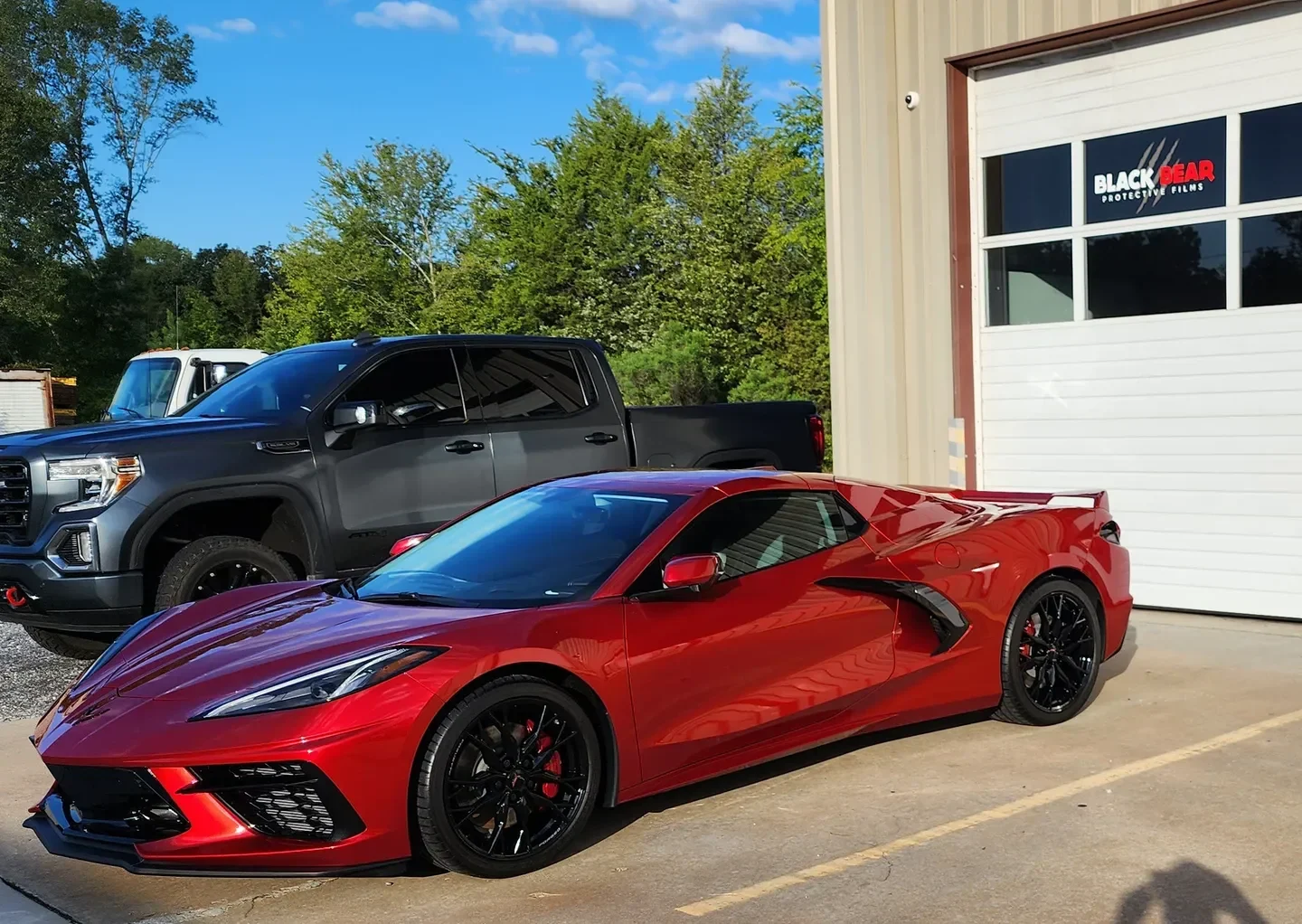
Have you ever noticed how quickly your child’s car seat heats up in direct sunlight, or how they squint and complain about the bright light during afternoon drives? These aren’t just minor inconveniences. They’re signs of a more serious issue that many Indian Land parents are addressing through a surprisingly effective solution. Ultraviolet radiation doesn’t take a break just because summer ends, and your children are being exposed to it every single time they ride in your vehicle. Families throughout the area have discovered that professional window tinting shop in Indian Land, SC provides protection that works 365 days a year, and facilities like Black Bear Protective Films have seen a significant increase in parents specifically seeking UV protection for their children’s sake.
The decision to add window tint isn’t about aesthetics or privacy when kids are involved. It’s about understanding that children face unique vulnerabilities to UV exposure and taking practical steps to minimize risks that accumulate silently over years of daily drives. Let’s explore why this matters and how window tinting addresses concerns that every parent should be thinking about.
Understanding UV Exposure and Children’s Vulnerability
Why Children Face Greater UV Risks Than Adults
Children aren’t just small adults when it comes to UV sensitivity. Their skin is thinner, with less melanin production and a still-developing protective barrier. This means UV radiation penetrates more easily and causes damage more readily than it does in adult skin. The cells in young skin are also dividing more rapidly, which makes them more susceptible to mutations caused by UV exposure.
Beyond the skin itself, children have larger pupils relative to their eye size, and their eye lenses haven’t yet developed the yellowing that helps filter UV light in older adults. This combination means more UV radiation reaches the retina in a child’s eye compared to an adult in the same environment. When you consider that your kids are spending hours each week in vehicles with standard windows that block almost no UVA rays, the exposure adds up quickly.
Think about it this way: if you wouldn’t let your child stand in direct sunlight for 30 minutes without sunscreen, why would you be comfortable with them sitting next to an untinted car window for the same duration? The UV exposure is remarkably similar, yet most parents don’t make this connection until someone points it out.
The Cumulative Nature of UV Damage Over Time
UV damage doesn’t announce itself immediately. It accumulates silently, year after year, creating changes at the cellular level that might not become apparent until decades later. Dermatologists emphasize that a significant portion of lifetime sun exposure occurs during childhood and adolescence. Every unprotected car ride, every afternoon in the back seat with sun streaming through the window, contributes to a cumulative total that influences skin health and cancer risk later in life.
This cumulative effect is precisely what makes prevention so important. You can’t undo UV exposure that’s already happened, but you can stop additional damage from accumulating. When parents in Indian Land learn that Window Tinting in Indian Land, SC can block up to 99% of UV rays, they’re essentially learning they can pause the accumulation clock for the time their children spend in vehicles. Given that some kids spend an hour or more daily in cars between school transportation, activities, and family errands, that’s substantial exposure time to protect.
How Window Tinting Provides Year-Round Protection
UV Blocking Technology in Modern Window Films
Modern window tinting technology has evolved far beyond the simple darkened films some people remember from decades past. Today’s quality films use sophisticated materials engineered specifically to block ultraviolet radiation while maintaining visibility and clarity. The UV-blocking properties come from compounds embedded throughout the film, not just a surface coating that might wear away over time.
These films work by absorbing and reflecting UV wavelengths before they can pass through your vehicle’s glass. Quality ceramic films, which many families choose, contain non-metallic particles that are particularly effective at stopping both UVA and UVB rays without interfering with radio signals, GPS, or phone connectivity. The protection isn’t something that degrades when the film looks clean and clear. It’s a fundamental property of the material itself that continues functioning year after year.
What makes this relevant for parents is the reliability factor. Once installed, the protection is constant. You’re not depending on remembering to apply sunscreen before every car ride or positioning sunshades that kids inevitably move or remove. The window tint is simply there, working silently every time your child is in the vehicle.
Protection Beyond Summer Months
Here’s something that surprises many parents: UV radiation doesn’t drop off dramatically in winter. While the angle of the sun changes and days are shorter, UV rays are still present and still damaging. In fact, UV can reflect off snow and light-colored surfaces, sometimes increasing exposure during winter months in ways people don’t anticipate.
Indian Land experiences relatively mild winters compared to northern regions, which means more sunny days when families are out and about. Those clear, crisp winter afternoons when you’re driving to weekend activities? Your kids are being exposed to UV radiation through untinted windows. Spring and fall, with their abundant sunshine and time spent outdoors for sports and activities, present continuous exposure opportunities.
Window Tinting in Indian Land, SC addresses this year-round reality by providing consistent protection regardless of season, temperature, or weather conditions. The film doesn’t take breaks during cooler months. It’s not more or less effective based on whether it’s July or January. This consistency matters tremendously when you’re thinking about cumulative exposure over the course of childhood.
The Indoor UV Exposure Problem Most Parents Miss
Vehicle Windows and Unfiltered UV Rays
Most people assume that being inside a vehicle offers some protection from sun exposure, and in one sense, it does. Standard automotive glass blocks most UVB rays, which are primarily responsible for sunburn. However, UVB represents only part of the UV spectrum. UVA rays, which penetrate deeper into the skin and contribute to aging and skin cancer risk, pass through standard vehicle glass almost unimpeded.
This creates a false sense of security. Your child isn’t getting sunburned during the drive to school, so it feels like they’re protected. Meanwhile, UVA radiation is passing through the windows and affecting their skin without any visible immediate effect. It’s the invisible damage that concerns dermatologists and informed parents alike.
The side windows and rear windows in most vehicles offer even less UV protection than the windshield, which typically has some laminated layers that block more UV. If your child sits in the back seat, especially on the side that catches afternoon sun during your regular routes, they’re receiving concentrated UV exposure that adds up significantly over months and years.
Daily Commutes and School Transportation Risks
Consider the routine exposure patterns in a typical child’s week. Morning drive to school, afternoon pickup, trips to activities, weekend errands, visits to friends’ houses. For many kids, this easily totals five to ten hours per week in vehicles. Multiply that by 52 weeks per year, and you’re looking at 260 to 520 hours of annual vehicle time.
If even half of that time involves sun exposure through untinted windows, you’re talking about 130 to 260 hours per year of UV exposure that many parents aren’t accounting for in their children’s sun protection strategy. Over the course of childhood from birth to age 18, that’s potentially 2,340 to 4,680 hours of UV exposure just from being passengers in vehicles.
When parents in the area learn about this from professionals at facilities like Black Bear Protective Films, the reaction is often immediate concern followed by a question: what can we do about it? The answer is straightforward. Quality window tinting transforms those hours from unprotected exposure time into protected time, without requiring any change in routine or behavior.
Health Benefits That Matter to Indian Land Families
Skin Protection During Critical Developmental Years
Pediatric dermatologists consistently emphasize that childhood sun protection has lifelong implications. Severe sunburns during childhood and adolescence significantly increase melanoma risk later in life, but even non-burning UV exposure accumulates and contributes to skin cancer risk and premature aging. Protecting skin during the developmental years is one of the most effective preventive health measures parents can take.
Window tinting provides this protection during a significant portion of a child’s daily routine without requiring their cooperation or memory. Teenagers might forget sunscreen or choose not to apply it. Younger children might resist having lotion applied. Window tint works regardless of whether your child is cooperative, whether you remembered to pack sunscreen, or whether anyone is thinking about sun protection at all during that particular drive.
The protection extends beyond just cancer prevention. UV exposure contributes to various skin conditions, can exacerbate certain medical conditions that cause photosensitivity, and affects how skin ages over time. By reducing UV exposure during thousands of hours of childhood vehicle time, window tinting helps preserve skin health in multiple ways that benefit your children for their entire lives.
Eye Health and Long-Term Vision Considerations
UV radiation doesn’t just affect skin. It damages eyes as well, contributing to various conditions that can develop over time with repeated exposure. Cataracts, macular degeneration, and other eye conditions have been linked to cumulative UV exposure throughout life. Children’s eyes are particularly vulnerable because, as mentioned earlier, their eye structures allow more UV to reach the retina compared to adult eyes.
The squinting that kids do in bright sunlight isn’t just discomfort. It’s a sign their eyes are being stressed by excessive light and UV exposure. Over time, this can contribute to eye strain, headaches, and potentially to more serious conditions as they age. Window tinting reduces glare and blocks UV radiation, creating a more comfortable visual environment while protecting long-term eye health.
Parents often notice that their children are more comfortable during drives after window tinting installation. There’s less squinting, fewer complaints about bright light, and a generally more pleasant experience for kids who might have been sensitive to glare or bright conditions. This immediate comfort improvement accompanies the long-term health protection that motivated the installation in the first place.
Temperature Regulation and Child Comfort
While UV protection is the primary health concern, the thermal benefits of window tinting deserve mention because they also impact child wellbeing. Quality window films block a significant portion of infrared radiation, which is what you experience as heat. This keeps vehicle interiors cooler, which has several important implications for children.
Young children regulate body temperature less efficiently than adults. They heat up more quickly in warm environments and can become uncomfortable or distressed more rapidly in hot vehicles. By reducing the heat that enters through windows, tinting helps maintain a more stable, comfortable temperature throughout the vehicle. This means less stress on kids during hot weather, more effective air conditioning that doesn’t have to fight intense solar heat gain, and reduced risk of heat-related discomfort during travel.
Why Indian Land’s Climate Makes UV Protection Essential
South Carolina Sun Intensity Throughout the Year
Indian Land’s location in South Carolina means significant sun exposure year-round. The area receives abundant sunshine, with UV index levels reaching high or very high levels regularly during spring and summer months. Even during fall and winter, the UV index frequently reaches moderate levels, and clear winter days can still deliver considerable UV exposure.
The sun intensity in this region isn’t something that takes long breaks. Unlike northern latitudes where winter sun is weak and stays low in the sky for months, Indian Land maintains enough sun angle and clear weather that UV protection remains relevant throughout all four seasons. Families who think of sun protection as primarily a summer concern are underestimating the year-round nature of UV exposure in this climate.
This consistent sun exposure is actually one reason why car window tinting in Indian Land, SC has become increasingly common among families who understand the local climate reality. The protection isn’t needed just for summer vacation road trips. It’s needed for the Tuesday afternoon drive to soccer practice in October, the Saturday morning trip to the grocery store in February, and every other routine drive throughout the year.
Seasonal Variations That Still Deliver High UV Exposure
Even when you account for seasonal changes, Indian Land’s climate presents UV exposure concerns across all months. Spring and fall bring mild temperatures that encourage families to spend more time outdoors and driving with kids to various activities. These seasons often feature clear, sunny days with substantial UV radiation but without the intense heat that makes summer sun exposure more obvious and concerning to parents.
Winter sun, while lower in the sky, still delivers UV radiation, particularly during the middle of the day. The comfortable temperatures during Indian Land winters mean people are often outside more than they would be in harsher climates, leading to more driving and more potential vehicle-based UV exposure. The sun might not feel as intense as it does in July, but UV rays are still present and still affecting unprotected skin and eyes.
Understanding these seasonal patterns helps explain why professionals at Black Bear Protective Films emphasize year-round protection rather than seasonal solutions. The reality of the local climate is that UV protection is a twelve-month concern, not something that can be addressed only during summer months and ignored the rest of the year.
Real-World Scenarios Where Window Tint Protects Your Kids
School Drop-Off and Pick-Up Routines
The daily school routine involves predictable exposure patterns that many parents don’t recognize as UV risk situations. Afternoon pickup often happens when the sun is still fairly high and intense, particularly during spring when days are longer. If you’re waiting in the car line with sun streaming through the windows, your child is receiving UV exposure the entire time.
Morning drop-offs during months with later sunrises mean kids are in vehicles during times when the sun might be at angles that shine directly through side windows. These routine exposures happen day after day, week after week, throughout the school year. Individually, each drive might seem insignificant. Cumulatively, they represent hundreds of hours of potential UV exposure.
Window tinting transforms these routine trips from exposure opportunities into protected time. The drive to school becomes just another part of the morning routine rather than a situation where you need to think about sun protection. The afternoon pickup no longer involves squinting kids or hot car seats that have been baking in the sun while you wait.
Weekend Activities and Family Road Trips
Weekend drives to sports games, family outings, visits to relatives, and recreational activities often involve longer vehicle time than weekday routines. These trips might include highway driving with sustained sun exposure through side windows, scenic routes through areas with minimal shade, or travel during peak sun intensity hours in the middle of the day.
Parents who have installed quality window tinting consistently report that these longer drives become more pleasant for everyone. Kids are more comfortable, there’s less complaining about heat and bright light, and parents have peace of mind knowing their children are protected during these extended exposure periods.
Making an Informed Decision About Window Tinting
What Parents Should Know Before Installation
Understanding what window tinting can and cannot do helps set appropriate expectations. Quality window film blocks up to 99% of UV radiation, provides significant heat reduction, reduces glare, and offers these benefits for many years with proper installation. It does not, however, eliminate the need for sunscreen during outdoor activities, nor does it protect during times when children are outside the vehicle.
The installation process at a window tinting shop in Indian Land, SC typically takes a few hours, after which there’s a curing period where the film fully adheres and any minor haziness clears. Professional installation ensures proper application without bubbles, peeling, or gaps that would compromise both appearance and UV protection effectiveness. This is definitely a situation where professional installation makes a significant difference in long-term results.
Choosing the Right Film for Family Vehicles
Not all window films offer the same level of UV protection or quality. Ceramic films represent the current standard for families prioritizing health protection because they block UV rays effectively without using metals that can interfere with electronics. They also provide excellent heat rejection, which contributes to the comfort benefits that make a real difference in daily use.
The darkness level of tint is a separate consideration from UV protection. Even relatively light films can block 99% of UV rays, so parents who want protection without significant darkness can achieve both goals. However, local regulations do specify legal limits on window tint darkness for different windows, and reputable installers ensure compliance with these requirements while still providing maximum UV protection.
When consulting with professionals like those at Black Bear Protective Films, parents can discuss specific priorities for their family vehicle. Do you want maximum heat rejection for summer comfort? Are you primarily focused on UV protection with minimal visibility change? Do you want added privacy for children in the back seat? Understanding these priorities helps select the film that best matches your family’s needs and preferences.
Conclusion
Protecting children from UV exposure requires thinking beyond beach days and playground time to recognize the substantial hours they spend in vehicles throughout their childhood years. Window Tinting in Indian Land, SC addresses this often-overlooked exposure window by providing consistent, year-round protection that works silently in the background of daily family life. The combination of UV blocking, heat reduction, and glare elimination makes window tinting a practical health measure that also improves daily comfort for kids during all those routine drives that make up their weekly schedules. Understanding that children face unique vulnerabilities to UV radiation and that exposure damage accumulates over time helps explain why Indian Land families increasingly choose window tinting as a preventive health measure rather than just a vehicle upgrade. The protection starts the moment installation completes and continues working every day, during every season, for years to come. That’s the kind of reliable, comprehensive protection that gives parents genuine peace of mind about this aspect of their children’s long-term health.
FAQs
Does window tint really block UV rays even in winter when the sun doesn’t feel as strong?
Yes, window tint blocks UV radiation year-round regardless of season or temperature. UV rays are present even on cool, clear winter days when the sun doesn’t feel particularly intense. The film’s UV-blocking properties are based on the material composition, not on reacting to heat or seasonal changes. This means your children receive the same level of protection during a January drive as they do during a July drive.
Will window tinting interfere with car seats or make it harder to see my kids in the back seat?
Window tinting does not interfere with car seat installation, function, or safety in any way. The film is applied to the glass itself and doesn’t affect how seats mount or secure children. Regarding visibility, you can choose tint darkness levels that maintain clear visibility of your children while still providing full UV protection. Many parents select moderate tint levels that offer protection and heat reduction without significantly darkening the view into the back seat.
How long does window tint last, and will my kids outgrow the need for it before it needs replacement?
Quality window film professionally installed typically lasts 10 to 15 years or longer, which means it will protect your children throughout their entire time as passengers in your vehicle and likely beyond. Unlike many child-specific products that kids outgrow quickly, window tinting provides value for the entire lifespan of vehicle ownership. The UV protection your children receive when they’re toddlers continues working when they’re teenagers, and the film will still be functioning effectively long after they’ve grown.
Can window tinting help if my child has medical conditions that make them sensitive to light or UV exposure?
Window tinting can be particularly beneficial for children with photosensitivity conditions, lupus, certain genetic disorders, or skin conditions that are aggravated by UV exposure. By blocking up to 99% of UV rays and significantly reducing glare and visible light intensity, window tinting creates a much more comfortable and safer vehicle environment for children with these medical needs. However, you should discuss your child’s specific condition with their healthcare provider to understand how window tinting fits into their overall management plan. Many parents of children with photosensitivity conditions specifically seek out window tinting as a necessary accommodation rather than just a beneficial upgrade.
Is there a best time of year to get window tinting installed for maximum protection?
Since UV protection is a year-round concern in Indian Land’s climate, there isn’t necessarily a best time from a protection standpoint. However, having window tinting installed before spring and summer means your children are protected during the months with highest UV intensity and longest days. Winter installation also means you avoid the busier spring and summer seasons when window tinting services often have longer wait times. From a practical perspective, installing window tinting any time that fits your schedule provides immediate protection that begins working right away and continues year-round..