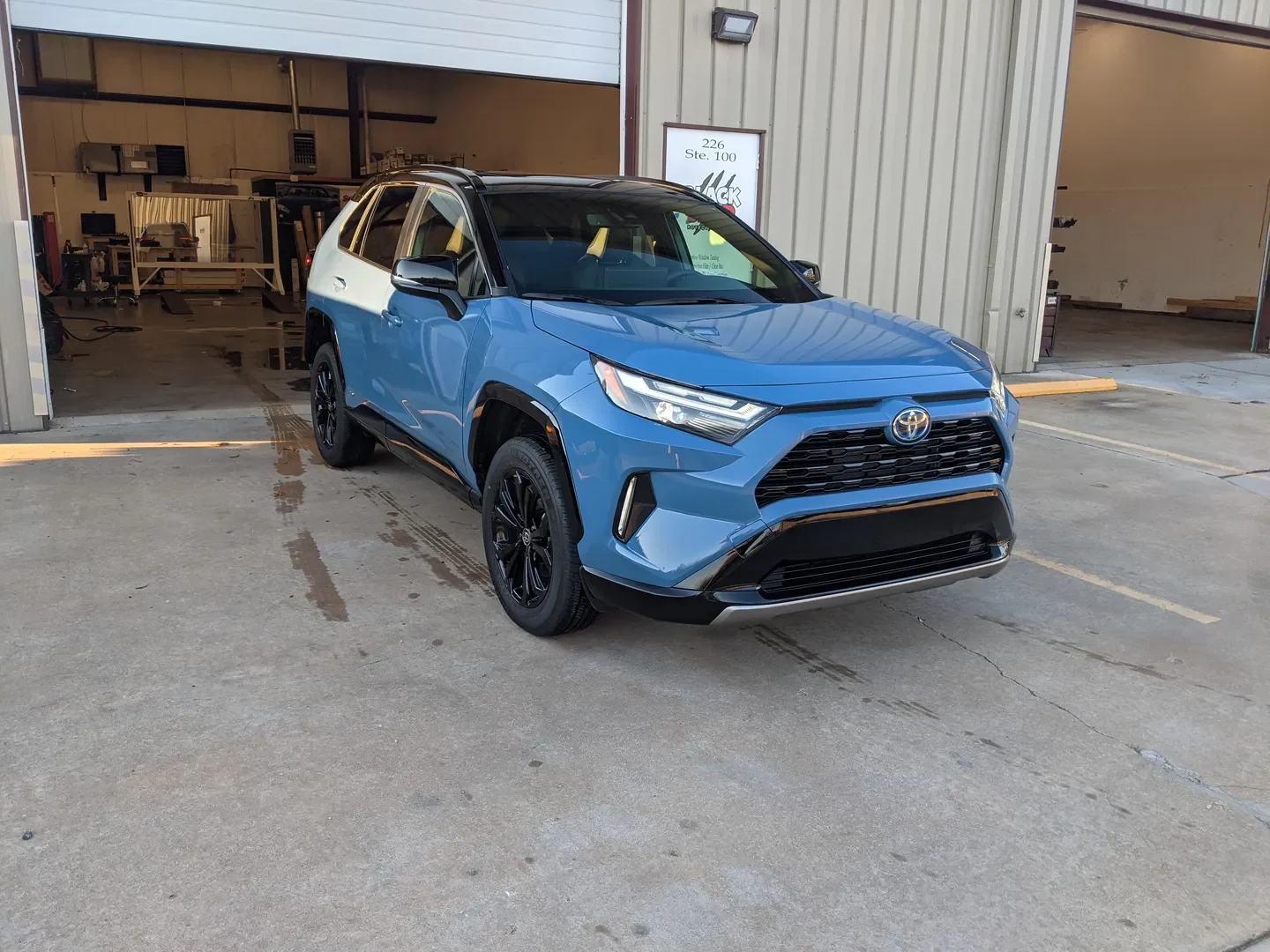
North Carolina drivers face a mix of driving conditions, blazing summer heat, bright sunlight, and year-round road glare. While most think of window tint as just a cosmetic upgrade, it plays a far more functional role here. Quality window tinting improves cabin comfort, shields interiors from UV damage, and can even enhance driving safety by reducing harsh glare.
But not all tint jobs are equal. The quality of the film, how it’s applied, and the installer’s experience all influence the final result. That’s why finding a reliable Window Tint Shop matters. In this article, we’ll walk through the benefits of window tinting in North Carolina, what to look for in a tinting service, and highlight trusted businesses that consistently deliver professional results across the state.
Let’s start with why window tinting has become a must-have for drivers across the Tar Heel State.
Why Window Tinting Matters for North Carolina Drivers
In a state like North Carolina, where hot summers, intense sun, and varying elevations create a wide range of driving conditions, window tinting is more than a style choice. It plays a direct role in improving comfort, extending the life of your vehicle’s interior, and even making everyday driving safer.
Heat and Sun Exposure in North Carolina
North Carolina drivers deal with seasonal heat that builds quickly inside parked vehicles. Without protection, interior temperatures can spike in minutes. Automotive window tint with heat-rejecting properties helps regulate cabin temperature and reduces the need to overuse the A/C system.
Films designed for sun protection in vehicles block solar energy and reduce heat buildup on the dash and seats, especially during summer months.
UV Protection and Interior Longevity
The sun’s ultraviolet rays don’t just fade fabric, they break down plastics and leather over time. Installing UV window film helps shield your car’s interior surfaces from sun damage. This is especially important in areas like Raleigh, Charlotte, and the Piedmont region, where sun exposure remains high most of the year.
Safer Driving and Glare Reduction
Driving with direct sunlight in your eyes or blinding glare from surrounding vehicles can be dangerous. Tinted windows improve visibility by reducing glare without limiting natural light. This added clarity can reduce eye strain and help drivers stay more alert during sunrise, sunset, and nighttime driving.
How to Spot a Professional Window Tint Shop in North Carolina
Not all tint jobs are created equal. Some might look fine on day one but fail within months. In North Carolina’s heat and humidity, poor-quality tint or rushed installation leads to bubbling, peeling, fading, or even failed inspections. If you’re trying to choose between tint shops, it’s worth understanding the difference between expert installers and low-cost alternatives.
Here’s what separates a professional window tint shop from the rest, and why that matters for North Carolina drivers.
Skilled Installers with Verified Credentials
A reliable tint shop doesn’t leave your vehicle in the hands of part-time hobbyists. Certified tint professionals go through brand-specific training to learn how to handle modern film types, curved glass, and vehicle-specific challenges.
What expert installers understand:
- How to apply film with zero contamination
- Heat shrinking for complex curved windows
- Clean edges and durable sealing for long-term performance
- Precision cutting with plotters or software-guided tools
Trusted certifications often include:
- 3M Preferred Installer
- XPEL Authorized Dealer
- GeoShield Master Installer
- STEK Certified Pro
- SunTek Elite Dealer
When a shop highlights these certifications, it signals experience, attention to detail, and accountability.
Use of High-Performance Tint Film
Cheaper shops often use dyed films that look dark but provide little performance. These films fade quickly, turn purple, and bubble under pressure. Reputable shops in North Carolina rely on advanced tint film technologies designed to handle heat, glare, and UV exposure.
Popular film types and how they perform:
| Film Type | Heat Rejection | UV Block | Lifespan | Signal Safe |
| Dyed | 35–45% | 99% | 3–5 years | Yes |
| Carbon | 40–55% | 99% | Lifetime | Yes |
| Ceramic | 50–70% | 99.9% | Lifetime | Yes |
| Nano-Ceramic | 60–80% | 99.9% | Lifetime | Yes |
Top-rated tint film brands include:
- 3M Ceramic IR Series
- XPEL Prime XR Plus
- SunTek CIR and CarbonXP
- GeoShield NanoTech Ceramic
- Autobahn Black and Pinnacle
The best shops will let you compare films based on your driving habits, not just appearance.
Controlled Installation Environment
Window film installation requires precision, and that starts with the environment. Any dust or moisture can lead to flaws under the film. Professional shops maintain clean spaces designed to minimize contamination.
Look for shops that offer:
- Enclosed bays with filtered airflow
- Temperature-controlled work areas
- Dedicated tint prep stations
- Bright, UV-filtered lighting to check film clarity
- HEPA filters to remove airborne particles
Shops that invest in their space usually invest in quality too.
Warranty That Covers the Work — and Stays With You
A real window tint warranty should cover more than just materials. It should also protect you from issues caused by improper installation. Top North Carolina tint shops provide manufacturer-backed warranties with clear, written terms.
Typical warranty coverage includes:
- Peeling or bubbling
- Fading or discoloration
- Defects in adhesive or film clarity
- Installer errors
What to expect from premium warranties:
- Lifetime coverage on ceramic and carbon films
- Transferable to new vehicle owners
- No out-of-pocket cost for rework
- Nationwide coverage if backed by a brand
Before committing, always ask to see the warranty details in writing.
Familiarity with North Carolina Window Tint Laws
Each state sets its own limits for how dark and reflective automotive tint can be. Reputable tint shops understand these rules and help you stay legal.
North Carolina Tint Rules:
- Front side windows: 35% VLT or lighter
- Rear side windows: Any shade allowed
- Windshield: Tint permitted above AS-1 line, must allow 70% light
- Reflectivity: No more than 20% reflective
- Medical exemptions: Permitted with documentation
Why this matters:
- Illegal tint can result in failed inspections
- Fines for noncompliance range from $50 to over $100
- Repeat violations can require tint removal
Experienced shops apply legal films and provide documentation when needed. That way, you stay within state guidelines and avoid unnecessary fines or penalties.
3 Trusted Window Tinting Shops in North Carolina
With so many tint shops across North Carolina, it can be difficult to know which ones offer quality film, expert installation, and service you can count on. Based on their experience, reputation, and customer satisfaction, these three window tinting businesses are worth considering if you’re looking for reliable results.
Each offers something unique, from advanced ceramic films to certified installers and clean application environments, making them strong choices for different needs and locations across the state.
1. Black Bear Protective Films
Location: Indian Land, SC
Service Areas: Indian Land, Fort Mill, Rock Hill, and nearby areas
Specialties: Automotive window tinting, paint protection film, ceramic coating
Black Bear Protective Films is a trusted name for drivers across South Carolina and the greater Charlotte region. Based in Indian Land, this shop serves areas like Fort Mill, Rock Hill, and surrounding communities with professional-grade window tint solutions designed to handle the region’s heat and humidity.
Their team brings over 20 years of hands-on experience with automotive protection films, including industry-leading brands like Autobahn, SunTek, and Gtechniq. Services include advanced ceramic tint for superior heat rejection, carbon films for a sleek, color-stable finish, and clear installation techniques that minimize bubbles and edge lift.
Black Bear Protective Films is also known for using computer-cut technology and clean work environments to ensure smooth, long-lasting results. For drivers looking to reduce glare, protect interiors from UV damage, and stay cool on the road, their team offers reliable options backed by strong warranties.
2. Infinite Auto Works
Location: Concord, NC
Specialties: Ceramic window tint, detailing, PPF, and vinyl wraps
Located in Concord, Infinite Auto Works is a local shop that focuses on functional tint solutions designed for North Carolina drivers. Their team installs Geoshield window films, known for high infrared heat rejection and crystal-clear visibility, which are particularly helpful during hot summer months.
Infinite Auto Works is known for clean installations, excellent customer service, and attention to legal compliance with North Carolina’s tint laws. In addition to tinting, they also offer a full range of vehicle protection services, including ceramic coating and paint protection film, making them a great all-in-one stop for car care.
3. Champion Window Tinting
Location: Cornelius, NC, serving Mooresville, Huntersville, Davidson, and Lake Norman
Specialties: Automotive tint, PPF, and Tesla/luxury vehicle protection
Champion Window Tinting has built a strong local following thanks to its focus on quality workmanship and consistency. They handle everything from daily drivers to high-end electric vehicles, with installations designed for both performance and appearance.
Their certified team uses professional-grade film and emphasizes precision on every project. Drivers choose Champion for its clean shop environment, clear communication, and reputation for installs that last. The shop also offers paint protection film and ceramic coatings for added defense against road wear and sun exposure.
How to Choose the Right Window Tint Shop for Your Vehicle in North Carolina
All three of the featured tint shops in this guide bring professional installation, quality film options, and trusted customer service. The “right” choice often comes down to your location, your budget, and your vehicle type.
Use this simple decision framework to help you narrow down the best fit for your needs.
Location-Based Recommendations
Your proximity to each shop can influence convenience, access to follow-ups, and install availability. Here’s a regional guide:
- Western NC & Charlotte Suburbs (Indian Land, Fort Mill, Rock Hill):
Go with Black Bear Protective Films for its access to dual-state drivers and trusted 3M installations. - Central NC (Concord, Kannapolis, Salisbury):
Infinite Auto Works is a solid pick for Geoshield film, commercial fleet tinting, and multi-surface vehicle protection. - Lake Norman Area (Cornelius, Mooresville, Huntersville):
Champion Window Tinting stands out for high-end and electric vehicle installations across northern Charlotte suburbs.
Budget-Based Guidance
Each shop offers different film tiers to match your budget without sacrificing core protection:
- Entry-Level (Under $350):
All three shops provide carbon-based films that deliver heat rejection and fade resistance at a reasonable price point. - Mid-Range ($350–$500):
Looking for ceramic tint? This range opens up access to premium IR heat rejection and better clarity for daily use. - Premium ($500+):
For maximum comfort and longevity, nano-ceramic films offer elite performance and come with lifetime warranties.
Vehicle-Type Recommendations
Different vehicles call for different film needs and install techniques:
- Tesla, EVs, and Luxury Cars:
Champion Window Tinting has a reputation for precision installs on performance vehicles, especially Teslas. - Fleet, Trucks, and Work Vehicles:
Infinite Auto Works provides commercial-grade tinting and wrap solutions for company fleets and utility vehicles. - Family SUVs or Daily Drivers:
Black Bear Protective Films offers 3M-backed options designed for long-term durability, especially in hot parking lots and humid conditions.
What to Expect From a Professional Window Tint Installation
Understanding how window tint is applied can help you feel more confident in your installer and know what signs to look for during and after the job. Professional window tinting is not just about placing a film on glass, it’s a multi-step process that ensures performance, longevity, and legal compliance.
Here’s a breakdown of what the process typically involves at a quality tint shop.
1. Inspection and Film Selection
Before anything is applied, the installer will walk you through film options based on your goals, heat rejection, privacy, UV protection, or visual appearance. They’ll confirm the legal tint limits for your vehicle and help you choose a product that’s compliant with North Carolina tint laws.
The installer may also inspect the condition of your windows and seals to make sure the film can be applied smoothly.
2. Prep and Cleaning
Clean glass is critical for a flawless installation. A professional shop will:
- Wash and degrease the inside of the windows
- Remove dust, stickers, or residue
- Use filtered water and lint-free cloths
- Squeegee out moisture before applying film
This step helps prevent air pockets, trapped dust, or bubbles from forming under the film later.
3. Film Cutting and Application
Once the glass is clean, the shop will:
- Cut film using software-guided plotters or by hand with precision
- Use heat guns to shrink the film to match curved windows
- Apply the film with specialized tools to press it flat against the glass
- Trim edges cleanly and apply sealant if needed
Proper film application requires steady hands, proper pressure, and experience working around door seals, defroster lines, and window sensors.
4. Curing and Final Inspection
After the film is applied, installers will check for any bubbles or misalignments and make necessary adjustments. You’ll be advised not to roll down the windows for a few days as the adhesive sets.
Depending on the film type and weather conditions, full curing can take a few days to a couple of weeks.
5. Aftercare Tips for Long-Term Performance
You’ll leave with care instructions to help your tint last as long as possible. That usually includes:
- Avoid cleaning windows for the first week
- Use ammonia-free cleaners when wiping interior glass
- Never scrape or use abrasive pads
- Watch for signs of edge lifting or unusual bubbling
When installed properly and cared for correctly, professional window tint can last 10 years or more, especially with carbon or ceramic films.
Final Thoughts
Window tinting does more than add style, it plays a real role in protecting your interior, improving driving comfort, and helping you stay safer on the road. With North Carolina’s mix of heat, humidity, and sun exposure, choosing a professional shop that offers quality film, certified installers, and legal guidance makes a big difference. Whether you’re commuting daily or driving a family SUV, the right tint can enhance your experience behind the wheel for years to come.
FAQs About Window Tinting in North Carolina
How does window tint help with interior protection in North Carolina’s climate?
High-quality window tint blocks up to 99% of UV rays, which helps prevent fading, cracking, and warping of dashboards and seats. In humid regions like Charlotte and Raleigh, tinting also helps control moisture buildup and temperature swings inside the vehicle.
What is the difference between carbon and ceramic window tint?
Carbon window film offers solid heat and glare reduction with a matte finish that resists fading. Ceramic film goes a step further by using non-metallic particles to block higher levels of infrared heat and UV radiation, ideal for North Carolina’s intense sun.
How do I know if a window tint shop is certified?
Look for installers trained or certified by manufacturers like 3M, XPEL, or Geoshield. Certified shops often display credentials in-store or on their website, and they’ll explain the film options clearly while following local tint laws.
Is window tint installation different for electric vehicles like Teslas?
Yes, EVs like Teslas often have large curved glass panels and sensitive electronics. Professional shops use specialized techniques and films that won’t interfere with GPS, Bluetooth, or battery temperature systems, all crucial for electric vehicle performance.
Can I wash my car after getting the windows tinted?
It’s best to wait at least 3 to 5 days before washing the car, especially with pressure washers or automated car washes. The tint film needs time to cure, and cleaning too soon can lift the edges or trap moisture under the surface.