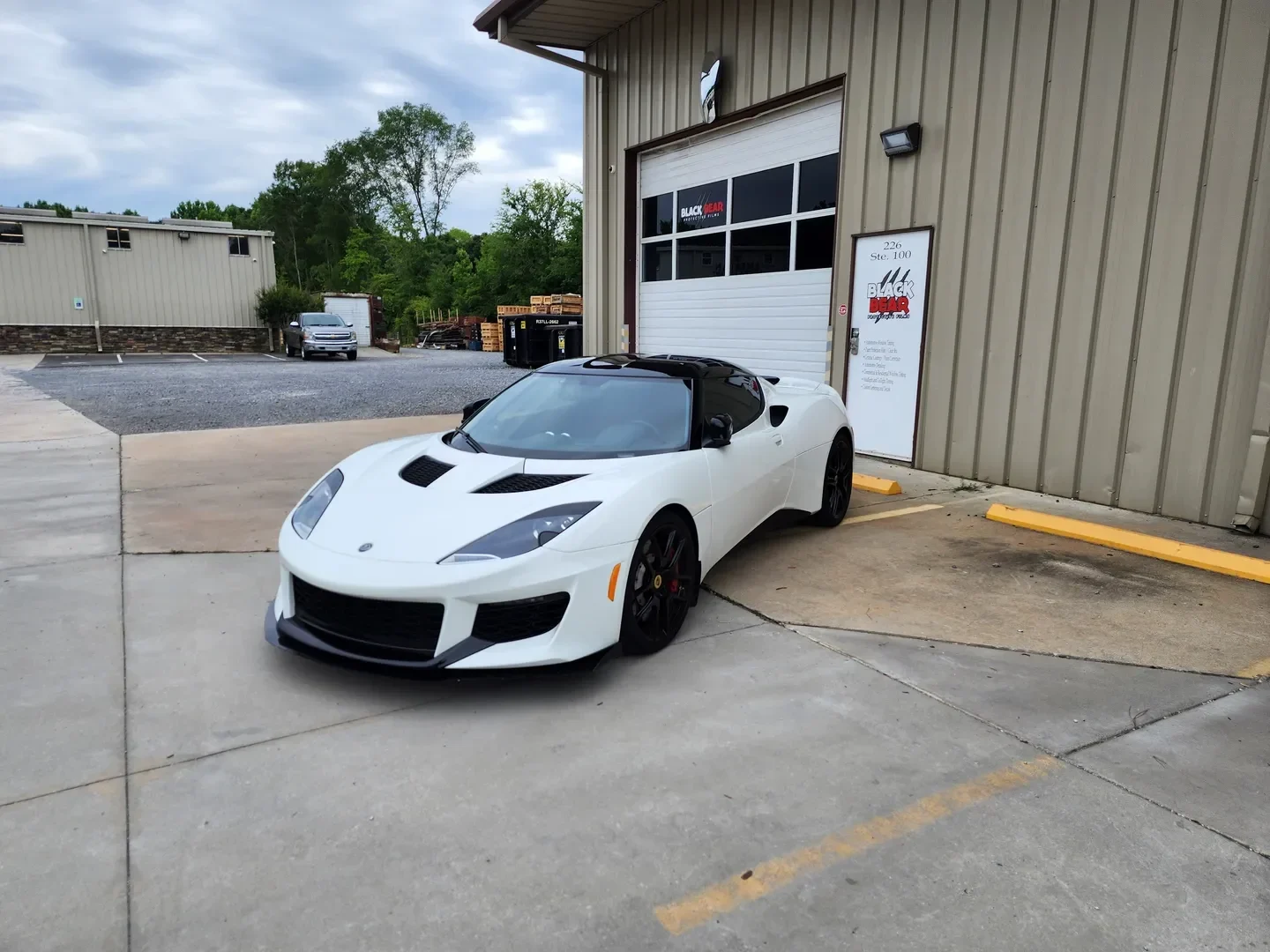
Providence Crossing residents know their vehicles face unique environmental challenges that demand strategic protection. Seasonal weather shifts, local road debris, and daily UV exposure create cumulative damage that reduces your vehicle’s appearance and resale value over time. Many owners realize too late that basic car care doesn’t shield against the specific threats present in this area, leading to preventable paint chips, interior fading, and premature aging. Professionals at Black Bear Protective Films work with local vehicle owners who understand that investing in Auto Protection in Providence Crossing costs significantly less than repairing damage after it occurs.
Different protection technologies deliver varying results depending on material quality, professional application, and how well they address local conditions. Auto window tinting offers one defense layer, but true vehicle preservation requires combining multiple protection methods that work together against specific threats. Understanding which options provide genuine long-term value helps you make informed decisions that maintain your vehicle’s condition throughout ownership. The most effective protection strategies account for Providence Crossing’s particular environmental profile rather than generic solutions that may not address actual daily challenges your vehicle faces.
Understanding Providence Crossing’s Unique Environmental Challenges
Providence Crossing’s location creates a particular set of environmental conditions that affect vehicle exteriors differently than other regions. The area experiences humid subtropical climate characteristics with hot summers, mild winters, and precipitation distributed throughout the year. This climate profile, combined with local road infrastructure and typical driving patterns, creates specific wear patterns that protection strategies must address to be truly effective.
The proximity to major roadways means vehicles regularly encounter road debris, construction zones, and the various contaminants trucks and other vehicles deposit on road surfaces. These factors combine with natural environmental elements to create a challenging environment for maintaining vehicle condition without deliberate protective measures.
Climate Factors That Accelerate Vehicle Wear
Summer temperatures regularly reach the 90s, creating intense UV exposure that degrades paint, clear coat, and interior materials. The high humidity typical of this region accelerates certain types of damage, particularly when combined with heat. Winter brings milder temperatures but occasional freezing events that can stress unprotected surfaces through expansion and contraction cycles.
Precipitation patterns matter significantly for vehicle protection. Regular rainfall creates constant moisture exposure that can penetrate compromised paint and initiate rust in vulnerable areas. The combination of heat, humidity, and moisture creates ideal conditions for contaminant etching, where substances like bird droppings or tree sap chemically react with paint surfaces to cause permanent damage if not promptly removed.
Road Conditions and Debris Exposure
Local roads expose vehicles to paint-damaging road debris including rocks, gravel, and construction materials. Highway driving at higher speeds increases impact velocity, making rock chips and paint damage more likely on front-facing surfaces. The constant traffic flow on major routes near Providence Crossing means your vehicle regularly encounters debris thrown by other vehicles’ tires.
Salt and chemical treatments used during occasional winter weather create corrosive conditions that attack unprotected metal surfaces. Even limited exposure to these treatments can initiate rust if bare metal becomes exposed through paint chips. The seasonal application of these materials requires protection strategies that address chemical corrosion in addition to physical impact damage.
Paint Protection Film: The Ultimate Barrier Solution
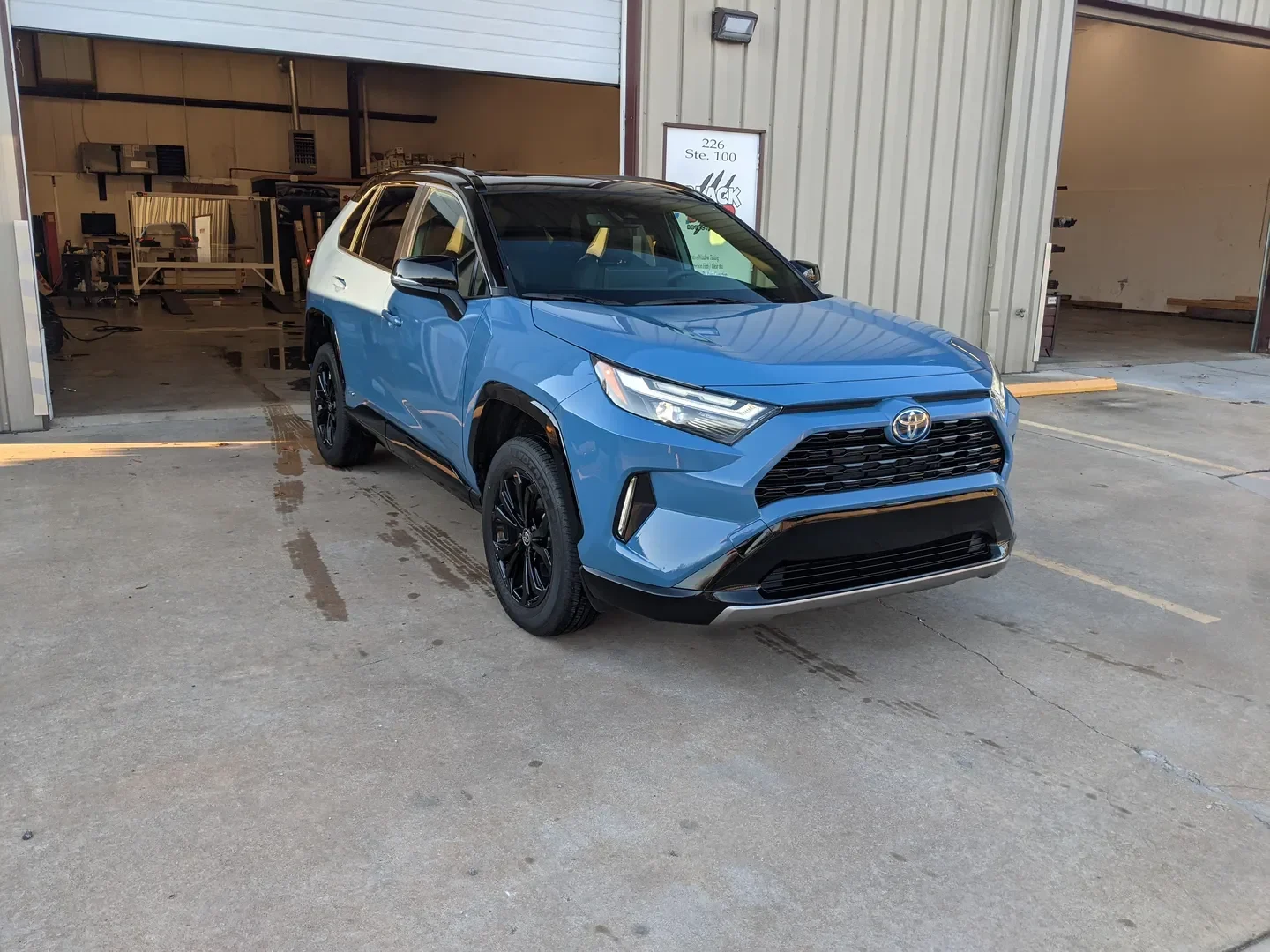
Paint protection film (PPF) provides the most comprehensive defense against physical damage that threatens vehicle paint in Providence Crossing conditions. This thick, optically clear urethane film creates a sacrificial barrier that absorbs impacts, scratches, and abrasions before they reach your paint. The technology has evolved significantly from early versions, with modern films offering self-healing properties, improved clarity, and extended lifespans that make them practical investments for long-term vehicle protection.
Quality paint protection film typically measures 6 to 10 mils thick, providing substantial physical barrier that can withstand significant impacts without allowing damage to reach underlying paint. The urethane construction flexes on impact rather than cracking like paint, distributing force across a wider area to prevent the concentrated damage that creates chips and scratches. Resources available through an Auto Protection Shop in Providence Crossing help vehicle owners understand coverage options and expected protection levels for different installation configurations.
Self-Healing Technology for Minor Scratches
Modern paint protection films incorporate self-healing polymers that flow back together when minor scratches occur, particularly when exposed to heat. Light scratches from washing, incidental contact, or minor abrasions simply disappear as the film’s surface layer reforms. This characteristic maintains the film’s appearance and ensures it continues looking clear and new rather than accumulating visible wear marks.
The self-healing property works through the film’s elastomeric polymers that possess shape memory. When disturbed by light scratching, applying heat through sunlight exposure or warm water causes these polymers to return to their original configuration, erasing the scratch. This technology dramatically extends how long films maintain pristine appearance despite daily exposure to minor wear factors.
Coverage Areas That Benefit Most
Front-facing surfaces receive the most benefit from paint protection film application. The hood, front bumper, fenders, mirrors, and headlights take constant punishment from road debris and benefit most from PPF’s impact protection. Many owners also protect door edges, rocker panels, and rear bumper areas prone to loading scratches and parking lot damage.
Full-vehicle wraps provide comprehensive protection but represent significant investments. Strategic partial coverage focusing on high-impact areas delivers substantial protection at more moderate costs. Working with experienced installers at Black Bear Protective Films helps identify which coverage patterns provide optimal protection for your driving patterns and budget considerations while addressing the specific threats vehicles face in Providence Crossing conditions.
Ceramic Coating Applications for Long-Term Defense
Ceramic coatings create chemically resistant, hydrophobic surfaces that protect paint while dramatically simplifying maintenance. These nano-ceramic formulations bond at molecular levels with paint surfaces, creating hard layers that resist chemical etching, reduce contamination bonding, and maintain glossy appearances longer than unprotected paint. For Providence Crossing vehicles facing regular exposure to environmental contaminants and weather variations, ceramic coatings provide valuable protection that complements physical barriers like paint protection film.
The coating thickness measures only microns, so ceramic coatings don’t provide physical impact protection like PPF. Instead, they excel at preventing chemical damage, resisting water spotting, and making surfaces easier to clean. The hydrophobic properties cause water and contaminants to bead and run off rather than spreading and bonding to paint, giving you more time to wash away potentially damaging substances. Services available through Auto Protection Services typically include both ceramic coating application and ongoing maintenance guidance.
Hydrophobic Properties and Maintenance Benefits
The water-repelling characteristics of ceramic coatings create surfaces where water forms tight beads that roll off rather than spreading into sheets that can leave spots and deposits. This property reduces water spotting from mineral deposits in local water supplies and makes vehicles easier to wash as contaminants don’t bond as tenaciously to treated surfaces.
Maintenance becomes simpler because dirt, pollen, and other contaminants sit on top of the smooth, low-energy ceramic surface rather than embedding into paint texture. Regular washing removes these contaminants more easily and with less agitation required, reducing the risk of creating swirl marks and wash-induced scratches. The time savings and improved results make ceramic coatings valuable for anyone who wants their vehicle to stay cleaner longer between washes.
Chemical Resistance Against Local Contaminants
Bird droppings, tree sap, bug splatter, and acid rain all contain chemicals that etch unprotected paint. Ceramic coatings resist these chemical attacks by preventing contaminants from making direct contact with paint and clear coat. The hard, non-porous ceramic surface doesn’t allow acidic substances to penetrate and begin the chemical reactions that cause permanent etching damage.
This chemical resistance proves particularly valuable in Providence Crossing where trees line many streets and parking areas, increasing exposure to tree-related contaminants. Bird activity around these areas means vehicles regularly encounter droppings that can cause significant damage if left in contact with unprotected paint. Ceramic coatings buy you crucial time to wash away these contaminants before permanent etching occurs.
Window Protection Through Advanced Tinting
Auto window tinting serves multiple protective functions beyond privacy and appearance enhancement. Quality films block harmful UV radiation that fades interiors and damages upholstery, reject infrared heat that overworks climate control systems, and reduce glare that causes eye fatigue during driving. For Providence Crossing vehicles exposed to intense summer sun and significant driving time, window protection delivers measurable benefits in comfort, interior preservation, and even energy efficiency for electric vehicles.
The technology differences between basic and premium window films significantly affect protection levels and longevity. Ceramic tinting options provide superior heat rejection and UV blocking without metal content that might interfere with electronic signals. These advanced films maintain their protective properties and appearance far longer than economy alternatives, making them better investments for long-term vehicle protection.
UV Blocking and Interior Preservation
Ultraviolet radiation causes fading, cracking, and deterioration of interior materials including leather, fabric, vinyl, and plastics. Dashboard surfaces particularly suffer UV damage, showing cracking and discoloration over time. Quality window films block 99 percent or more of harmful UV rays, essentially eliminating this damage pathway and keeping interiors looking newer longer.
The interior preservation directly impacts vehicle value. Well-maintained interiors free from sun damage command significantly higher resale prices than those showing typical UV deterioration. The investment in quality window protection returns tangible value both through improved ownership experience and stronger resale position when you eventually sell or trade the vehicle.
Undercoating and Rust Prevention Strategies
Moisture exposure represents a significant threat to vehicle longevity in Providence Crossing’s humid climate. Undercoating provides protective barriers on undercarriage surfaces where moisture, salt, and chemicals can initiate rust formation. This protection proves particularly important for vehicles you plan to keep long-term, as rust damage progressively worsens and eventually compromises structural integrity if left unchecked.
Modern undercoating products range from rubberized formulations that create thick, flexible barriers to thinner, penetrating sealants that work into seams and joints where moisture typically initiates corrosion. The appropriate choice depends on vehicle age, existing rust conditions, and protection goals. Professionals offering Auto Protection in Providence Crossing can assess your vehicle’s current condition and recommend suitable undercoating approaches.
Why Moisture Protection Matters Here
The combination of humidity, precipitation, and temperature variations creates conditions where moisture regularly condenses on metal surfaces and accumulates in areas where water can pool. Unprotected metal in these environments will eventually rust, particularly once any protective coatings become compromised through wear or damage. Undercoating prevents moisture contact with vulnerable metal surfaces.
Newer vehicles benefit from undercoating by preserving factory rust protection that gradually wears away during normal use. Older vehicles gain added protection that arrests existing minor surface rust and prevents it from worsening. The relatively modest investment in quality undercoating application can extend vehicle lifespan by years, particularly for those planning long-term ownership.
Wheel and Brake Dust Protection Systems
Wheels accumulate brake dust containing metal particles and adhesive compounds that bond tenaciously to wheel surfaces. This contamination isn’t just unsightly; it’s corrosive and can permanently damage wheel finishes if allowed to accumulate. Wheel-specific ceramic coatings create barriers that prevent brake dust from bonding strongly, making wheels far easier to clean while protecting expensive finishes from corrosive damage.
The heat resistance of wheel coatings must exceed that of paint coatings because wheels experience extreme temperatures from brake heat. Quality wheel protection products withstand these temperatures without degrading, maintaining their protective properties despite thermal stress that would destroy lesser products. Specialists at Black Bear Protective Films understand the specific requirements for wheel protection and utilize products rated for these demanding conditions.
Reducing Corrosive Buildup on Expensive Components
Brake dust contains iron particles from brake rotors and compounds from brake pads that create corrosive mixtures when combined with moisture. This combination can etch and corrode wheel finishes, particularly affecting polished, chrome, or bare aluminum wheels. Protection prevents this corrosive buildup from making direct contact with wheel surfaces.
Premium wheels represent significant investments, with custom or performance wheels costing thousands of dollars per set. Protecting these components from corrosion and finish damage preserves both appearance and value. The maintenance benefits alone justify wheel coating investments, as protected wheels clean in minutes rather than requiring extended scrubbing to remove bonded contamination.
Comprehensive Protection Packages
The most effective vehicle protection combines multiple technologies addressing different threat categories. Paint protection film handles physical impacts, ceramic coatings provide chemical resistance and maintenance benefits, window tinting shields interiors from UV damage, and undercoating prevents rust formation. This layered approach creates comprehensive defense that addresses all major damage pathways threatening vehicle condition.
Combining technologies creates synergistic benefits where each layer enhances overall protection. Paint protection film under ceramic coating gains chemical resistance and easier maintenance, while the coating’s hardness helps protect the film surface. This combination delivers superior results compared to either technology alone. Resources available at an Auto Protection Shop Near Me in Providence Crossing help customers design protection packages appropriate for their vehicles and protection priorities.
Combining Multiple Technologies for Maximum Defense
Strategic protection layering considers how different technologies complement each other. Starting with paint protection film on high-impact areas provides physical defense, then applying ceramic coating over the entire vehicle including PPF creates a unified protective surface with consistent maintenance characteristics. Adding window tinting and undercoating completes comprehensive coverage addressing all exterior surfaces.
The investment in comprehensive protection scales with vehicle value and ownership intentions. Expensive vehicles or those you plan keeping long-term justify more aggressive protection strategies, while more modest vehicles or shorter-term ownership might warrant selective protection of key areas. Working with experienced professionals at Black Bear Protective Films ensures your protection strategy aligns appropriately with your specific situation and goals.
Professional Application Versus DIY Attempts
Protection product effectiveness depends heavily on proper application. Professional installers possess specialized tools, controlled environments, proper surface preparation knowledge, and installation experience that DIY attempts cannot match. Paint protection film requires precision cutting, careful positioning, and skilled technique to avoid bubbles, contamination, and edge lifting. Ceramic coatings demand perfect surface preparation and proper application methods to achieve specified durability and performance.
Attempting DIY installation of professional-grade protection products typically results in suboptimal outcomes. Contamination from uncontrolled environments, improper surface preparation, and inexperienced application technique lead to premature failure, poor appearance, or inadequate protection. The cost savings from DIY attempts evaporate when you must pay professionals to remove failed installations and properly apply new materials. Professional installation through facilities like Black Bear Protective Films ensures products achieve their rated performance and appearance while maintaining manufacturer warranty coverage that DIY application typically voids.
Conclusion
Providence Crossing vehicles benefit most from comprehensive protection combining paint protection film for physical defense, ceramic coatings for chemical resistance, quality window tinting for UV shielding, and undercoating for rust prevention. These technologies address the specific environmental challenges present in this area, from road debris and UV exposure to humidity and chemical contaminants. Strategic protection layering preserves appearance and value while reducing maintenance requirements throughout ownership.
Learning how comprehensive auto protection supports long-term vehicle quality in surrounding areas can help owners make informed decisions about safeguarding their vehicles.
Frequently Asked Questions
What protection is most important for Providence Crossing vehicles?
Paint protection film on front-facing surfaces provides the most immediate value by preventing rock chips and scratches from road debris. Ceramic coating adds chemical resistance and maintenance benefits. Combined, these technologies address the primary threats local vehicles face daily.
How long do professional protection applications typically last?
Quality paint protection film lasts 7 to 10 years, ceramic coatings provide 2 to 5 years of protection depending on formulation, and premium window tinting maintains performance for 10-plus years. Professional application and proper maintenance maximize these service lives.
Can I add protection to a vehicle with existing paint damage?
Yes, but damaged areas require paint correction before protection application. Correcting swirls, scratches, and etching restores smooth surfaces suitable for film or coating adhesion. Protection then preserves the corrected condition and prevents future damage accumulation.
Does comprehensive protection affect vehicle resale value?
Positively. Protected vehicles maintain better appearance and condition, commanding premium prices in resale markets. Well-preserved paint, protected interiors, and rust-free undercarriages signal proper care that buyers value and willingly pay extra to obtain in used vehicles.
Should I protect a leased vehicle?
Absolutely. Protection prevents wear and damage charges at lease end. Paint chips, interior sun damage, and wheel corrosion commonly trigger charges that often exceed protection costs. Protection ensures you return vehicles in excellent condition avoiding these penalties.