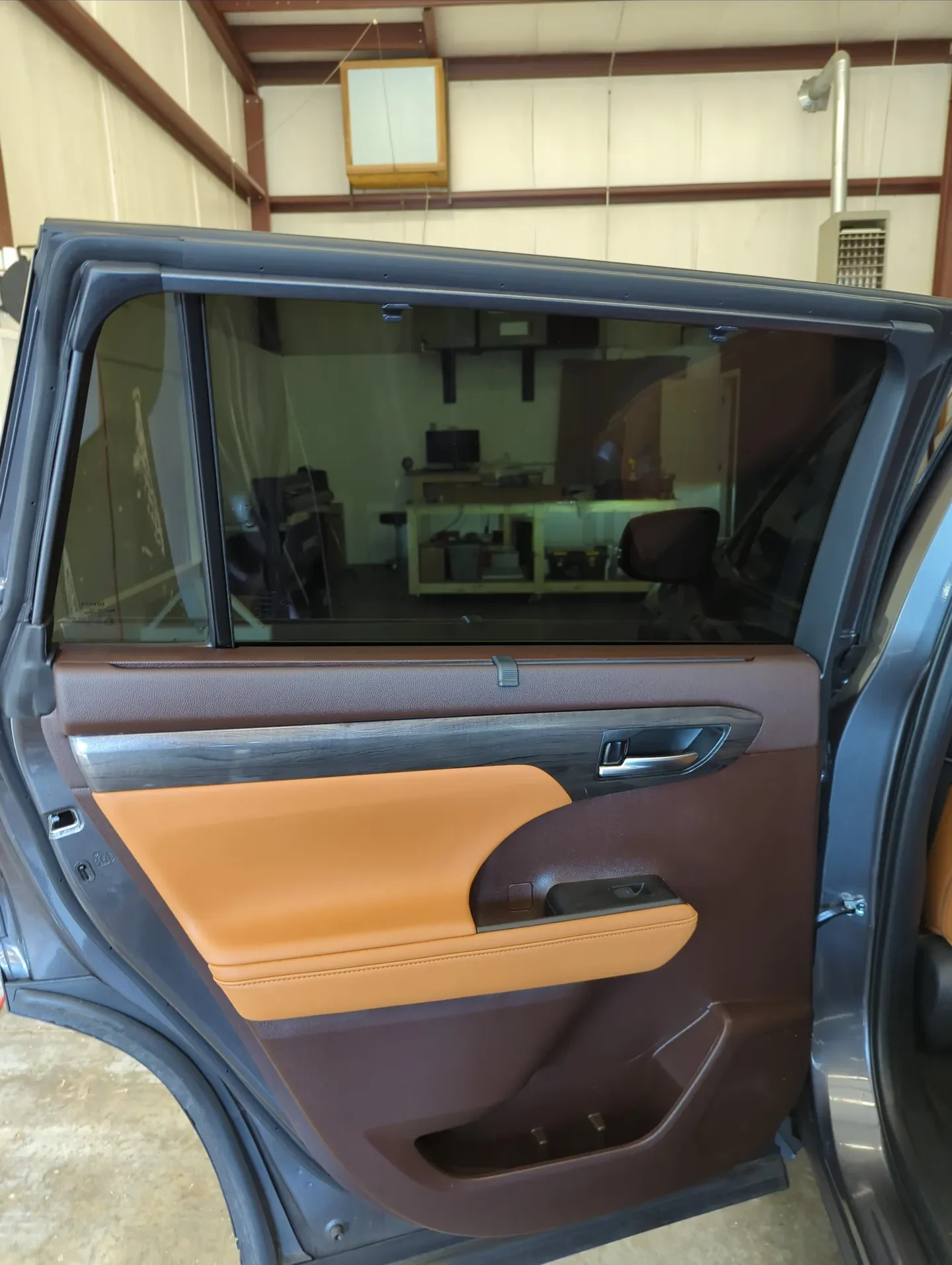
Timing your window tinting installation can significantly affect both the application process and how quickly you enjoy the benefits of protected windows. Provincetowne, North Carolina’s climate creates specific considerations that make certain times of year more advantageous than others for installing auto window tinting. While quality films can be applied successfully year-round when professional installers use controlled environments, understanding seasonal advantages helps you maximize value from your investment and minimize any potential complications during installation and curing processes.
The best time for Window Tinting in Provincetowne, NC ultimately depends on your specific circumstances, but spring and fall generally offer optimal conditions that balance comfortable temperatures, manageable humidity levels, and the ability to prepare vehicles for upcoming seasonal extremes. Professional installers at Black Bear Protective Films work throughout the year helping residents protect their vehicles, but they often recommend strategic timing that aligns installation with weather patterns and personal schedules to ensure optimal results and immediate comfort benefits from your newly tinted windows.
Understanding Provincetowne’s Climate and Seasonal Patterns
Provincetowne experiences a humid subtropical climate characterized by hot, humid summers and mild winters with moderate precipitation distributed throughout the year. This climate profile creates distinct seasonal conditions that affect both the window tinting installation process and the urgency of needing protection. Understanding these patterns helps identify when installation makes most sense for your specific situation and priorities.
The region’s weather patterns create peak sun exposure and heat during summer months when UV protection and heat rejection become most valuable. However, the installation process itself can face challenges during extreme heat or cold, making shoulder seasons particularly attractive for scheduling tinting services. Year-round humidity requires attention to proper curing conditions regardless of season, though this proves more manageable during moderate temperature periods.
Temperature Variations Throughout the Year
Summer temperatures in Provincetowne regularly reach the upper 80s to low 90s, creating intense heat that makes vehicle interiors uncomfortable and increases urgency for protective tinting. Spring and fall bring more moderate temperatures in the 60s to 70s, creating ideal conditions for film application and curing. Winter temperatures typically range from the 30s to 50s, cool enough to slow curing processes but generally manageable in climate-controlled installation facilities.
These temperature variations affect both installation quality and immediate comfort benefits. Installing before summer heat arrives means you’re protected when you need it most, while fall installation prepares vehicles for the following summer. Winter installation can proceed successfully indoors but may require slightly longer curing times before windows can be safely operated.
Humidity and Weather Considerations
Humidity levels in Provincetowne remain elevated year-round, particularly during summer months when moisture combines with heat to create challenging conditions. High humidity during installation can affect how quickly adhesives cure and films settle into their final positions. Professional installers account for humidity by controlling installation environments and adjusting techniques to ensure proper adhesion regardless of outdoor moisture levels.
Precipitation patterns matter less for installation itself since quality shops work indoors, but rainy periods might affect scheduling flexibility if you need to drop off vehicles during storms. Planning installations during typically drier periods can simplify logistics, though professional facilities accommodate customers regardless of weather conditions outside their controlled work environments.
Spring Installation: Preparing for Summer Heat
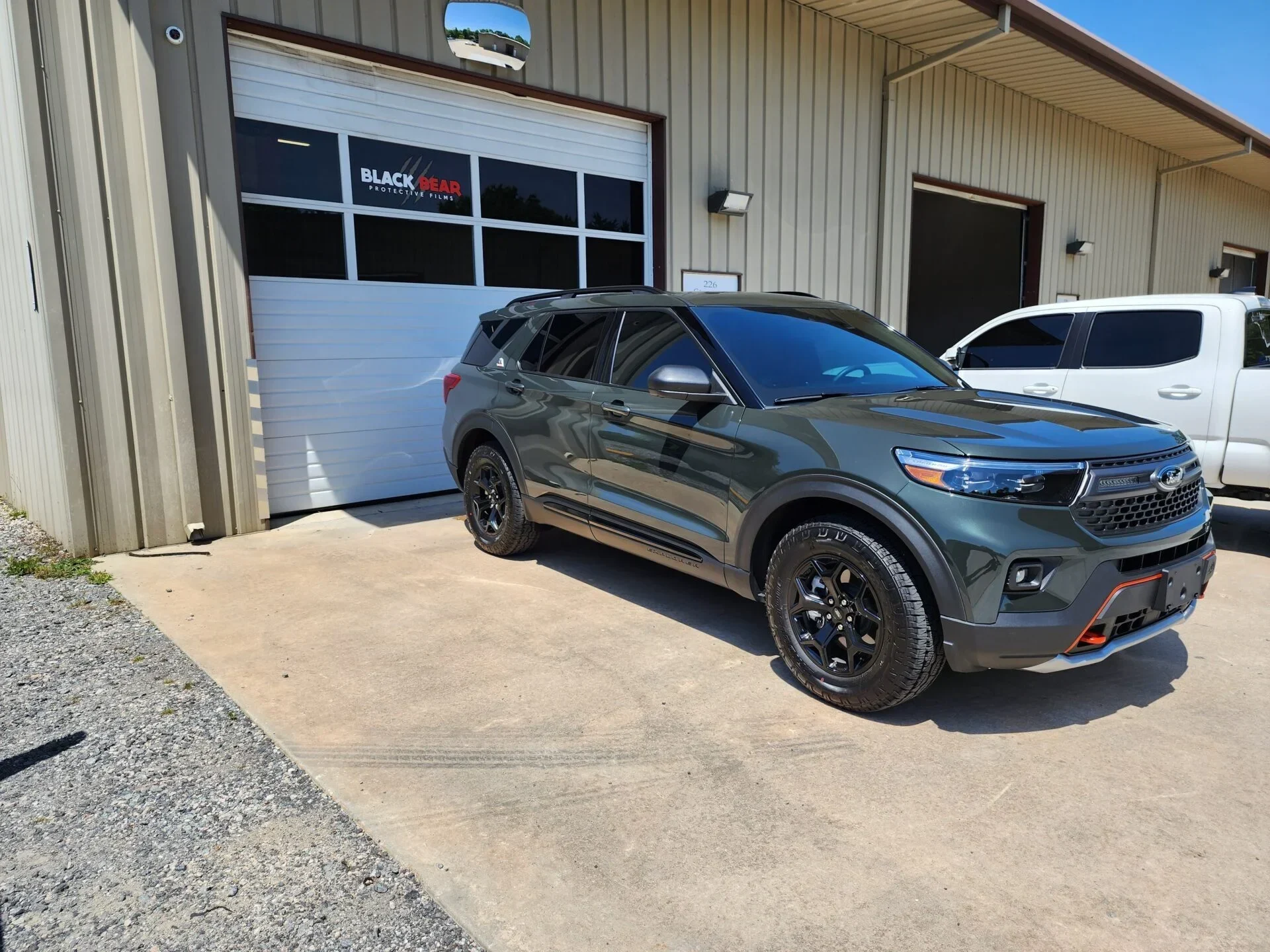
Spring represents one of the most strategic times for window tinting installation in Provincetowne. Installing during March, April, or May means your vehicle is fully protected before summer heat and UV exposure reach their peak intensity. You avoid the discomfort of driving through even one summer with inadequate protection, and films have time to fully cure under moderate conditions before facing extreme summer temperatures.
The moderate spring temperatures create ideal conditions for adhesive curing and film settling. Films applied during spring typically achieve optimal adhesion and appearance more quickly than those installed during temperature extremes. The comfortable working conditions also allow installers to work more precisely without the challenges that extreme heat or cold can present. Resources available through an Auto Window Tinting Shop Provincetowne can help you schedule spring installation that prepares your vehicle for summer comfort.
Benefits of Early Season Protection
Installing before summer arrives means you experience maximum annual benefit from your investment. Rather than suffering through months of heat and UV exposure before finally getting protection, spring installation provides immediate value as temperatures rise into summer. Your vehicle remains cooler, interiors stay protected from fading, and you enjoy comfortable driving throughout the entire summer season rather than just the tail end after finally scheduling installation.
Early season installation also avoids the summer rush when many vehicle owners suddenly realize they need tinting after experiencing uncomfortable heat. Scheduling during spring often provides more flexibility for appointment times and may involve shorter wait times compared to peak summer demand. You also demonstrate proactive vehicle care rather than reactive decision-making driven by discomfort.
Ideal Weather Conditions for Application
Spring weather in Provincetowne typically features moderate temperatures, manageable humidity, and stable conditions that facilitate optimal film application and curing. The 60 to 75-degree temperature range common during spring creates perfect conditions for adhesives to bond properly without the accelerated curing that extreme heat causes or the slowed curing from cold temperatures. Films settle smoothly and achieve their final appearance more predictably under these moderate conditions.
The reduced UV intensity during spring compared to summer also means less stress on freshly applied films during initial curing periods. While quality films handle UV exposure from day one, the gentler spring sun provides a less demanding break-in period before films face the full intensity of summer radiation. This gradual introduction to peak conditions can contribute to optimal long-term performance.
Summer Timing: Immediate Relief from Intense Sun
Summer installation addresses immediate comfort needs when heat and UV exposure create the most pressing discomfort. If you’re currently suffering in an untinted vehicle during Provincetowne’s summer heat, the immediate relief from professional tinting justifies scheduling installation despite it not being the theoretically optimal season. The comfort improvement you’ll experience from your first drive in a cooled, glare-reduced cabin makes summer installation worthwhile even if spring would have been marginally better from an installation process perspective.
Many vehicle owners finally prioritize tinting during summer after experiencing just how uncomfortable their vehicles become in peak heat. While this reactive timing isn’t ideal planning, professional installers successfully complete thousands of summer installations annually with excellent results. The key involves working with experienced facilities like Black Bear Protective Films that maintain proper installation environments regardless of outdoor conditions.
Peak UV Exposure and Heat Concerns
Summer brings the highest UV index readings and most intense solar heat of the year to Provincetowne. These conditions make vehicle interiors unbearably hot and accelerate interior fading, creating urgent need for protection. Installing tinting during summer provides immediate relief from these problems rather than waiting months for more optimal installation weather. The protection benefits you gain during remaining summer weeks often justify summer installation despite seasonal challenges.
The intense summer sun also demonstrates tinting effectiveness most dramatically. The temperature difference between tinted and untinted vehicles becomes most apparent during peak heat, allowing you to immediately appreciate your investment’s value. This tangible benefit verification can feel more satisfying than installing during moderate weather when benefits, while still present, feel less dramatic due to less extreme baseline conditions.
Installation Challenges During Hot Weather
Extreme summer heat creates challenges for window tinting installation that professional shops mitigate through climate-controlled facilities. High temperatures can cause adhesives to cure too quickly, potentially affecting final appearance if application doesn’t occur in properly cooled environments. Heat also makes working conditions less comfortable, though this affects installers rather than customers who simply drop off vehicles.
Quality facilities maintain consistent interior temperatures that eliminate weather-related installation challenges regardless of outdoor conditions. The controlled environment ensures films cure at optimal rates and installers can work with precision despite summer heat outside. When selecting installation timing, focus less on avoiding summer and more on choosing experienced professionals with proper facilities that deliver consistent results year-round. Services offered through window tinting services with professional facilities ensure quality regardless of installation season.
Fall Window Tinting: Strategic Seasonal Choice
Fall represents perhaps the single best time for window tinting installation in Provincetowne when considering all factors. September, October, and November bring comfortable temperatures, moderate humidity, and the strategic advantage of preparing vehicles for year-round protection before winter arrives. You still gain protection during fall’s sunny days while ensuring your vehicle is ready for the following spring and summer without last-minute scheduling during peak demand periods.
The moderate fall temperatures mirror spring’s advantages for installation and curing while providing the psychological satisfaction of proactive vehicle preparation. Installing during fall demonstrates forward-thinking maintenance planning, protecting your investment before winter weather and road conditions create additional stress. Professional consultation at a window tinting shop near me Provincetowne, NC can help you schedule fall installation that maximizes these seasonal advantages.
Moderate Temperatures for Optimal Curing
Fall temperatures in the 60s and 70s create ideal conditions for adhesive curing and film settling into final positions. The moderate conditions allow films to cure at optimal rates without rushing from excessive heat or slowing from cold. This controlled curing environment contributes to optimal long-term performance and appearance, helping ensure films maintain their protective properties and visual clarity throughout their service lives.
The comfortable temperatures also make the days immediately after installation more pleasant for customers who must avoid rolling windows down during initial curing periods. Spring and fall’s moderate weather makes this restriction less inconvenient compared to summer heat or winter cold when you might more urgently want to operate windows for temperature control.
Preparing for Year-Round Protection
Fall installation means your vehicle enters winter fully protected, with UV-blocking films helping prevent interior fading even during winter sun exposure and heat rejection reducing solar heat gain during sunny winter days. More importantly, you’re completely prepared for the following spring and summer, avoiding the rush to schedule installation when everyone suddenly realizes they need protection as temperatures rise.
This proactive approach demonstrates mature vehicle ownership and maintenance planning. Rather than reacting to discomfort, you’re anticipating needs and addressing them during optimal timing. The psychological satisfaction of being prepared rather than scrambling for appointments during peak demand adds intangible value to fall installation timing.
Winter Installation Considerations
Winter represents the least popular season for window tinting but remains perfectly viable when working with professional facilities maintaining climate-controlled environments. December, January, and February installations proceed successfully indoors where temperature and humidity are carefully managed regardless of outdoor conditions. While winter installation offers fewer seasonal advantages compared to spring or fall, it provides the practical benefit of off-season availability with potentially shorter wait times and more flexible scheduling.
The reduced demand during winter can work in your favor if you need installation during this period. Professional shops have more availability, allowing scheduling that accommodates your preferences rather than fitting into limited openings during peak seasons. If your circumstances make winter timing most convenient, don’t hesitate to proceed; quality results are achievable year-round with proper professional facilities.
Cold Weather Impact on Film Application
Cold outdoor temperatures don’t directly affect installations performed in climate-controlled facilities, but they do influence curing times and when you can safely operate windows after installation. Adhesives cure more slowly in cold conditions, potentially extending the waiting period before rolling windows down from the typical 2 to 5 days to perhaps a week. This extended restriction proves more inconvenient during winter when you might prefer to crack windows for defrosting or ventilation.
Professional installers account for seasonal temperature effects when providing post-installation care instructions. They’ll specify appropriate waiting periods based on current conditions and film types, ensuring you don’t compromise adhesion by operating windows prematurely. Following these season-specific guidelines ensures optimal results regardless of installation timing.
Indoor Facility Advantages
Quality window tinting facilities maintain consistent 70-degree environments year-round specifically to eliminate weather-related installation variables. These controlled conditions mean installation quality remains consistent whether performed in January or July. The regulated temperature and humidity ensure adhesives cure properly, films settle smoothly, and installers can work with precision regardless of outdoor weather.
When evaluating winter installation, focus on facility quality rather than weather concerns. Professional shops like Black Bear Protective Films invest in climate control specifically to deliver consistent results across all seasons. The controlled environment eliminates the cold weather concerns that might affect outdoor or mobile installation services, making facility-based winter installations as reliable as any other season.
New Vehicle Purchase Timing
The absolute best time to install window tinting is immediately after purchasing a new vehicle, regardless of season. Fresh paint and pristine interiors benefit most from protection applied before any UV exposure or environmental damage occurs. Many vehicle owners arrange tinting installation within days or weeks of taking delivery, ensuring their new investment receives maximum protection from the start.
This timing also means you never experience your vehicle without protection, avoiding the discomfort comparison that makes tinting seem like an upgrade rather than a standard feature. When protection is present from day one, it simply becomes part of your normal driving experience. The psychological benefit of protecting your investment immediately can justify installation regardless of whether timing aligns with theoretically optimal seasons. Facilities providing car window tinting often work with dealerships and new vehicle buyers to schedule prompt installation that protects vehicles from their earliest days of ownership.
Protecting Fresh Paint and Interiors
New vehicle paint is in perfect condition without any UV damage, oxidation, or contamination. Installing protective tinting immediately preserves this pristine state indefinitely on protected areas. Similarly, interior materials are fresh and unfaded, maintaining their original colors and textures when shielded from UV exposure from the start. This proactive protection delivers maximum preservation value by preventing any degradation rather than trying to slow existing damage.
The satisfaction of knowing your new vehicle receives optimal care from day one provides psychological value beyond the practical protection benefits. You’re demonstrating proper stewardship of your investment and ensuring it maintains excellent condition throughout your ownership. This conscientious approach often correlates with higher resale values when vehicles show unusually good condition for their age thanks to protection measures implemented from the beginning.
Scheduling Around Personal Circumstances
Your personal schedule and circumstances often matter more than theoretical seasonal optimization. If your work schedule, family obligations, or other commitments make a particular time convenient for the day or two without your vehicle during installation, that practical timing might outweigh minor seasonal advantages. Professional installations require leaving your vehicle for several hours to a full day, so scheduling when this proves least disruptive to your routine makes sense.
Similarly, financial considerations like tax refund timing, bonuses, or budget availability might dictate when installation is most feasible. It’s better to install when financially comfortable even if timing isn’t seasonally optimal rather than waiting for perfect conditions while continuing to drive unprotected. The protection benefits you gain immediately justify reasonable timing flexibility.
Planning for Installation Downtime
Most professional window tinting installations require 2 to 6 hours depending on vehicle size and complexity. Planning this downtime around your schedule matters more than obsessing over perfect seasonal timing. If you can easily arrange transportation or work from home on a particular day, that convenience might justify installation timing more than whether it’s technically spring or fall.
Some customers prefer scheduling installations just before weekends or holidays when being without their vehicle proves least disruptive. Others coordinate with regular maintenance schedules, handling multiple vehicle services simultaneously. This practical scheduling approach ensures tinting doesn’t create unnecessary complications in your routine while still getting protection installed promptly.
Professional Consultation and Timing Recommendations
Ultimately, the best installation timing for your specific situation involves consulting with professional installers who understand local conditions and can assess your particular needs. Facilities like Black Bear Protective Films provide personalized timing recommendations based on your vehicle type, usage patterns, protection priorities, and scheduling constraints. Their experience with thousands of installations across all seasons gives them practical insights that generic seasonal recommendations can’t match.
Professional consultation also addresses film selection, which can influence optimal timing. Some film types prove more forgiving of temperature variations during installation and curing, while others perform best when applied under specific conditions. Discussing your complete situation with experienced professionals ensures you make informed decisions about both product selection and installation timing that align with your specific circumstances.
Conclusion
The best time to install window tinting in Provincetowne typically falls during spring or fall when moderate temperatures create ideal installation and curing conditions while preparing vehicles for peak summer heat. However, quality installations succeed year-round in professional facilities with climate control, making personal circumstances, vehicle purchase timing, and immediate protection needs equally valid factors in scheduling decisions. Consulting with experienced professionals like Black Bear Protective Films ensures your timing aligns with both seasonal advantages and practical considerations specific to your situation, delivering optimal results regardless of when installation occurs.
Learning how window tinting enhances overall vehicle comfort can further help drivers appreciate the long-term benefits of proper installation timing and film selection.
Frequently Asked Questions
Can window tinting be installed during any season in Provincetowne?
Yes. Professional facilities with climate control successfully install window tinting year-round. Spring and fall offer slight advantages due to moderate outdoor temperatures, but controlled indoor environments eliminate weather-related quality concerns, making installation viable and reliable during any season.
How long after installation before I can use my windows?
Typically 2 to 5 days depending on weather conditions and film type. Summer installations may cure faster (2-3 days), while winter applications might require longer (5-7 days). Your installer provides specific guidance based on current conditions and products used in your installation.
Should I wait until summer to see if I really need tinting?
No. Installing before summer means you’re protected when conditions are worst rather than suffering through heat before finally getting protection. Spring installation prepares you for summer, while fall installation readies your vehicle for the following year without peak-season scheduling challenges.
Does installation timing affect warranty coverage?
No. Reputable manufacturers honor warranties regardless of installation season. Warranty terms depend on product quality and proper installation technique rather than when application occurs. Professional installation in controlled environments ensures warranty requirements are met year-round.
Will winter installation damage my tinting or reduce its lifespan?
Not when performed professionally indoors. Climate-controlled facilities eliminate cold weather concerns. Films installed during winter perform identically to those applied in other seasons because installation environments remain consistent. Lifespan depends on film quality and installation technique, not installation season.