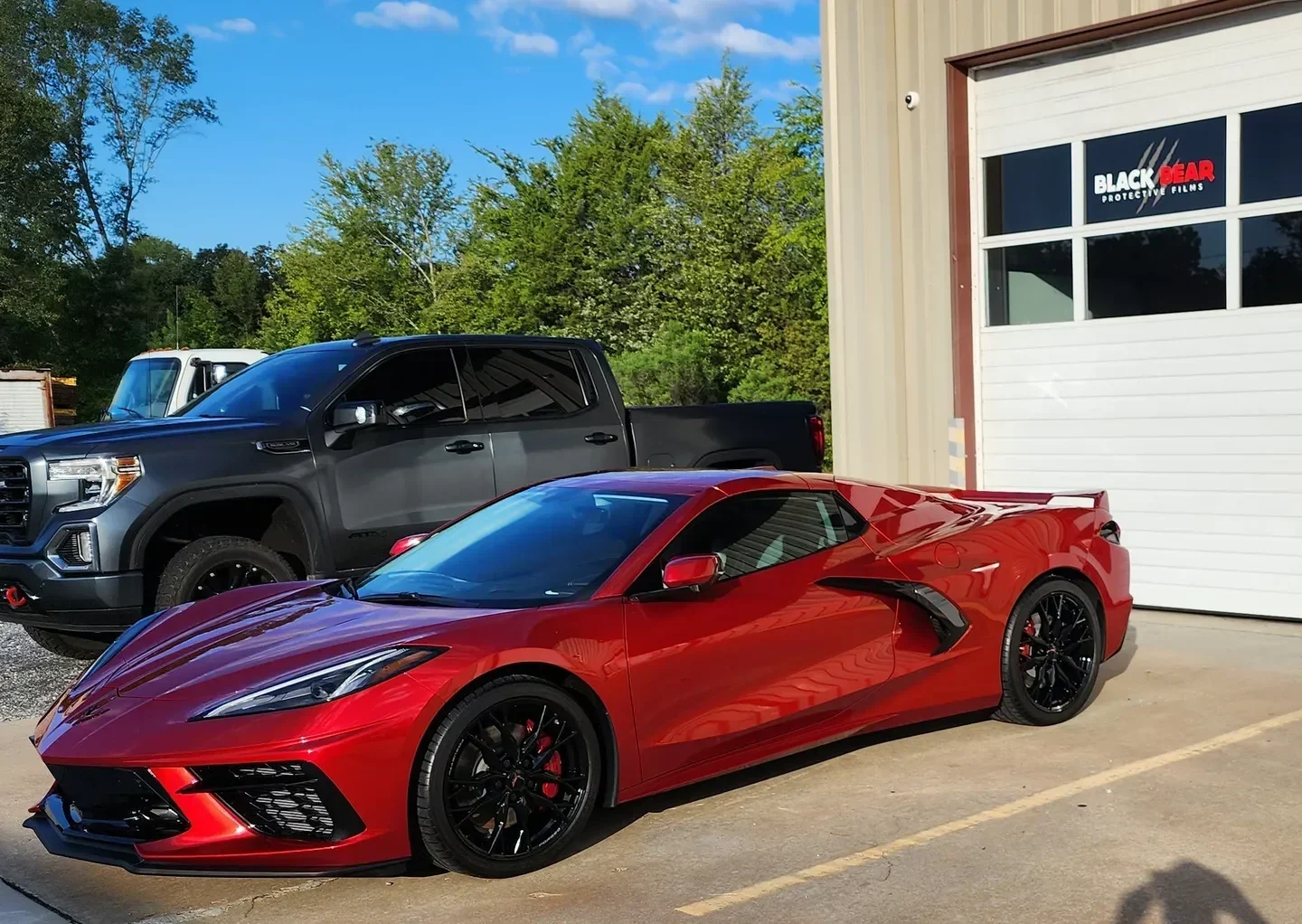
South Charlotte drivers often encounter a mix of weather elements, road conditions, and natural contaminants that silently wear down their vehicles over time. While many owners focus on routine maintenance, they often overlook external environmental factors that gradually degrade paint, reduce clarity, and weaken surfaces. Strengthened layers of protection can make a noticeable difference, especially in areas where severe sun exposure, airborne contaminants, and road debris consistently impact daily driving. This is where Auto Protection South Charlotte becomes a practical necessity rather than an optional upgrade.
Black Bear Protective Films recognizes that local environmental pressures vary throughout the year, and each one contributes to long-term vehicle deterioration. Whether it is the intense summer heat or the steady increase in construction activities across the region, every factor plays a role in weakening your vehicle’s exterior. Understanding these conditions helps drivers make better decisions about protective solutions and maintain their vehicles at a higher level for longer.
Understanding the Climate Challenges Drivers Face
Extreme Heat Exposure
South Charlotte experiences long periods of hot weather, and extended heat exposure quickly accelerates the breakdown of paint and exterior trim. When vehicles sit in direct sunlight, surface temperatures rise far higher than the surrounding air, causing clear coats to soften and become vulnerable to oxidation. The heat can also cause dashboards and interior fabrics to fade over time. This is why drivers often notice color loss or cracking on surfaces that receive constant sunlight. Strengthened protection prevents heat penetration and reduces long-term thermal damage that would otherwise compromise vehicle appearance.
UV Radiation Impact
Along with heat, ultraviolet radiation is one of the most aggressive environmental forces acting on vehicles in the region. UV exposure does more than fade paint; it gradually weakens the chemical structure of clear coats, making them more susceptible to peeling and discoloration. Many drivers underestimate how quickly UV rays deteriorate exterior surfaces, especially during peak summer months. Applying strong protective films helps block a significant portion of UV rays, slowing the aging process and maintaining a newer appearance for longer. Because UV exposure is constant year-round, consistent protection becomes essential.
How Local Road Conditions Influence Vehicle Wear
Persistent Road Debris
Road debris is one of the most common sources of micro-damage in South Charlotte, affecting vehicles every day. Small stones, loose gravel, and dirt accumulate on frequently traveled roads, creating conditions that make paint chips and scratches unavoidable. Even traveling at moderate speeds can send debris flying against the vehicle’s surface with enough force to create marks. Over time, these small abrasions become more noticeable and contribute to wider surface deterioration. Strong protective coatings help absorb these impacts before they reach the paint layer.
Construction Zone Hazards
With ongoing development throughout South Charlotte, construction zones have become routine obstacles for drivers. Dust, asphalt particles, and sharp debris often linger on the road, leading to damage when vehicles pass through these areas repeatedly. Fine particles can embed themselves in paint surfaces, making them appear rough or dull. Stronger protective layers act as a barrier against these contaminants, reducing the risk of embedded particles and preventing premature wear that occurs when construction dust remains unaddressed.
Why Seasonal Changes Increase the Need for Protection
Temperature Shift Stress
Seasonal temperature swings create expansion and contraction cycles in vehicle materials, especially on exterior surfaces. When temperatures shift rapidly, it increases stress on clear coats, causing them to weaken and become more prone to cracking. This gradual decline is often invisible until damage has already progressed. Protection films provide a consistent layer that absorbs these shifts, helping maintain paint stability throughout the year.
Moisture and Humidity Effects
South Charlotte is known for its humidity, and moisture in the air accelerates the oxidation process. When humidity interacts with vehicle surfaces, it can create a sticky layer that attracts contaminants, making it easier for dirt and pollutants to bond with the paint. Over time, this leads to dullness and surface degradation. Protective films help minimize direct moisture exposure, reducing the long-term effects of humidity.
Exploring Regional Environmental Risks for Vehicles
Pollen and Organic Contaminants
Pollen levels rise significantly during spring in South Charlotte, and the fine particles easily adhere to surfaces. When pollen remains on a vehicle under sunlight, it can bond with the paint and become difficult to remove. In some cases, it may even cause staining if left for long periods. A protective barrier makes it easier to wash away pollen before it leaves permanent marks.
Industrial Fallout Presence
Certain areas experience airborne contaminants from nearby industrial zones. These particles settle on vehicles and gradually eat away at clear coats, sometimes creating tiny rust-colored dots known as rail dust. This contamination is hard to remove without specialized treatments. Strong protection reduces direct contact, helping preserve paint from these invisible threats.
Long Term Damage Caused by Daily Driving
Paint Oxidation Process
Oxidation is one of the most common forms of long-term damage for vehicles in South Charlotte. Constant exposure to oxygen, heat, and UV rays weakens the paint surface, causing it to lose shine and become chalky. Once oxidation begins, restoring paint requires extensive work. Protective films slow oxidation dramatically by blocking the main environmental triggers.
Surface Micro-Scratching Risks
Everyday tasks like washing, drying, or simply brushing against the vehicle can introduce micro-scratches. These tiny abrasions accumulate over time and reduce clarity. Strengthened protective layers act as a sacrificial barrier, absorbing micro-scratches and keeping the underlying paint unharmed.
Benefits of Strengthened Auto Protection Solutions
Extended Surface Durability
Enhanced protection increases the lifespan of exterior surfaces by reducing exposure to environmental stressors. This helps maintain a smooth, glossy appearance and prevents damage that leads to costly refinishing work.
Better Interior Preservation
Tinting and interior protective films help block UV rays that cause fading, cracking, and discoloration. This is especially important in regions with heavy sun exposure, where interiors deteriorate quickly without added defense.
Evaluating the Importance of Professional Installation
Precision Application Quality
Professional installation ensures that protection films adhere correctly without bubbles, gaps, or distortions. A flawless application is crucial for achieving long-term durability and consistent performance under extreme environmental conditions.
Material Performance Assurance
Experts ensure the right film type is chosen for each vehicle surface, providing dependable resistance to heat, debris, and pollutants. This allows drivers to enjoy the full benefits of Auto Protection in South Charlotte without concerns about premature failure.
Final Thoughts on Local Vehicle Protection
South Charlotte presents a diverse set of environmental challenges that steadily impact vehicle longevity. From heat and humidity to debris and construction zones, each factor contributes to gradual wear that can be prevented through enhanced protection solutions. Understanding these conditions helps drivers make more informed decisions that keep their vehicles in stronger, longer-lasting condition.
FAQs
1. What makes South Charlotte’s climate tough on vehicles?
The region experiences intense heat, strong UV radiation, and high humidity, all of which accelerate paint fading, oxidation, and interior damage. These elements create conditions that require stronger protection.
2. How does road debris affect vehicle paint over time?
Road debris like gravel and loose asphalt causes chips and micro-scratches that accumulate unseen. Over time, these marks worsen and lead to visible surface deterioration without strong protective layers.
3. Can seasonal weather changes damage vehicle exteriors?
Yes, fluctuating temperatures cause materials to expand and contract. This stress weakens paint and clear coats, making them more vulnerable to cracking and long-term wear.
4. Why is professional installation important for protection films?
Professionals ensure precision application, proper adhesion, and use of quality materials. This results in longer durability and better protection than DIY solutions.
5. Does vehicle protection help with interior preservation too?
Absolutely. UV-blocking films reduce fading and cracking in dashboards, seats, and interior trims, especially in high-sunlight regions like South Charlotte.